










_large.jpg)



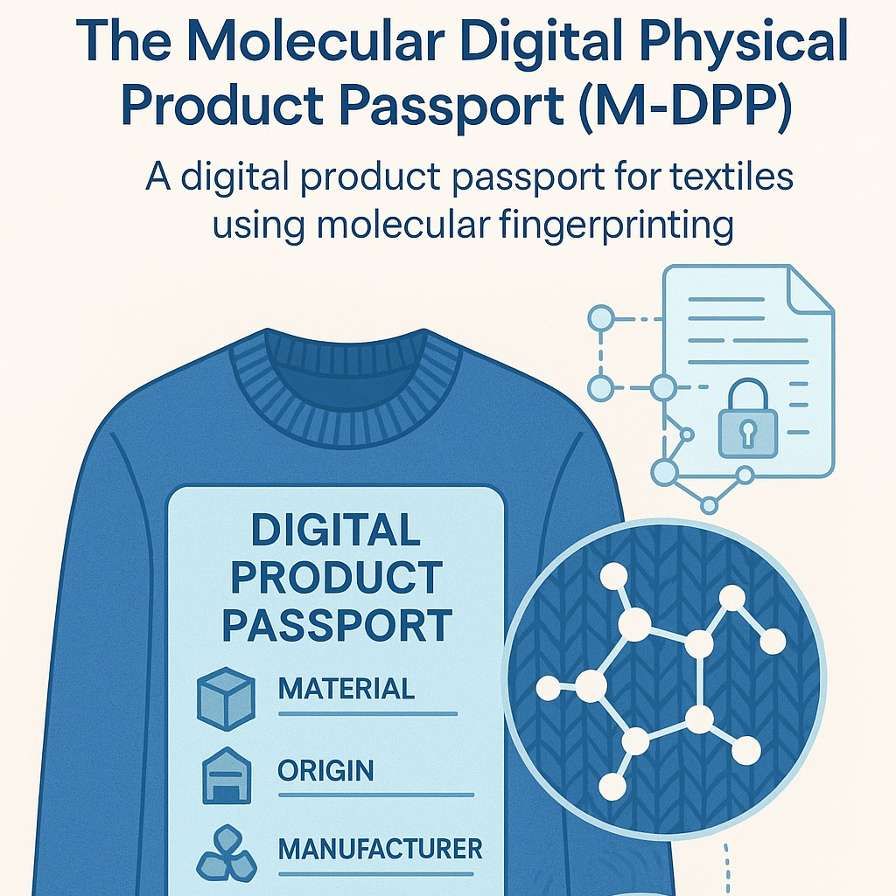
In 2025-26, one of the most consequential shifts in textile sustainability isn’t a new fabric or chemical, it’s the regulatory and digital transformation that’s reshaping how products are tracked, verified, and communicated across global value chains: the Digital Product Passport (DPP).
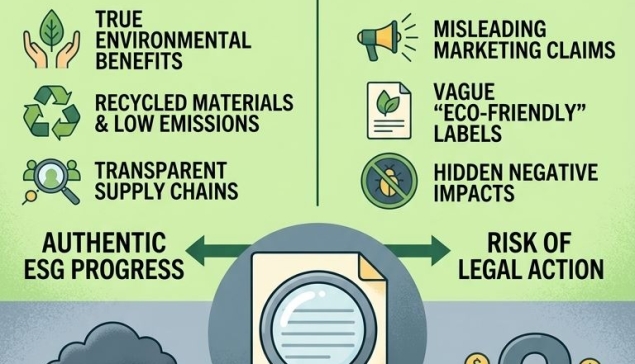
DPP mandates are emerging as a cornerstone of sustainability compliance in major markets. Under initiatives such as the EU’s Circular Economy Action Plan, textile products will soon require a digital, verifiable record of lifecycle data, right from raw material origin to processing details, chemical use, emissions, and end-of-life pathways. This requirement aims to drive transparency, reduce greenwashing, enable circularity, and empower buyers and regulators with reliable, structured product information.
Know More
To comply with DPP and similar traceability expectations, the industry cannot rely on spreadsheets or disconnected documents. It needs technology-enabled traceability systems that enable:
1. Blockchain-Backed Supply Chain Tracking Blockchain provides an immutable ledger of every touchpoint a product experiences: raw fibre sourcing, spinning, dyeing, finishing, and shipment, making claims like “recycled content” or “chemical-free treatment” verifiable. Systems such as ProDecipher’s ProTrace and digital certification tokens help brands meet regulatory and buyer demands while reducing disputes and falsified claims.
2. Digital Product Passports for Transparency Digital Product Passports work like a QR-linked lifecycle resume for each garment, embedding verified data that can be accessed by regulators, retailers, and consumers alike. Beyond compliance, DPPs build trust and support resale, repair, and recycling markets by providing clear end-of-life instructions.
3. IoT + Real-Time Data Analytics Advanced IoT sensors and analytics platforms capture real-time sustainability metrics: energy use, water consumption, chemical exposure, directly from mills and dye houses. This data feeds into DPP systems, ensuring traceability isn’t theoretical, but grounded in observable performance.
Join our group
Why This Matters Now: As regulations tighten globally, with the EU’s extended producer responsibility (EPR) regime requiring producers to manage product waste, and DPP obligations phasing in traceability technology moves from “nice-to-have” to commercial necessity.
Organisations that invest in integrated traceability tech not only avoid compliance risk but also unlock market access advantages, improved consumer trust, and operational insights. In a landscape where sustainability claims are scrutinised more than ever, reliable data architecture becomes a strategic differentiator rather than a reporting burden.
Sustainability
In the shift from narrative sustainability to documented accountability, digital product passports and traceability platforms are not just compliance tools, they are enablers of a transparent, circular textile economy.
Credits: Authored article contributed by Ms Neetika Agarwal who works closely with the textile and apparel ecosystem, creating industry-focused content on sustainability, supply chains, and evolving compliance requirements. She is interested in how practical insights and data can support better decision-making across the value chain.



 CONTACT US
