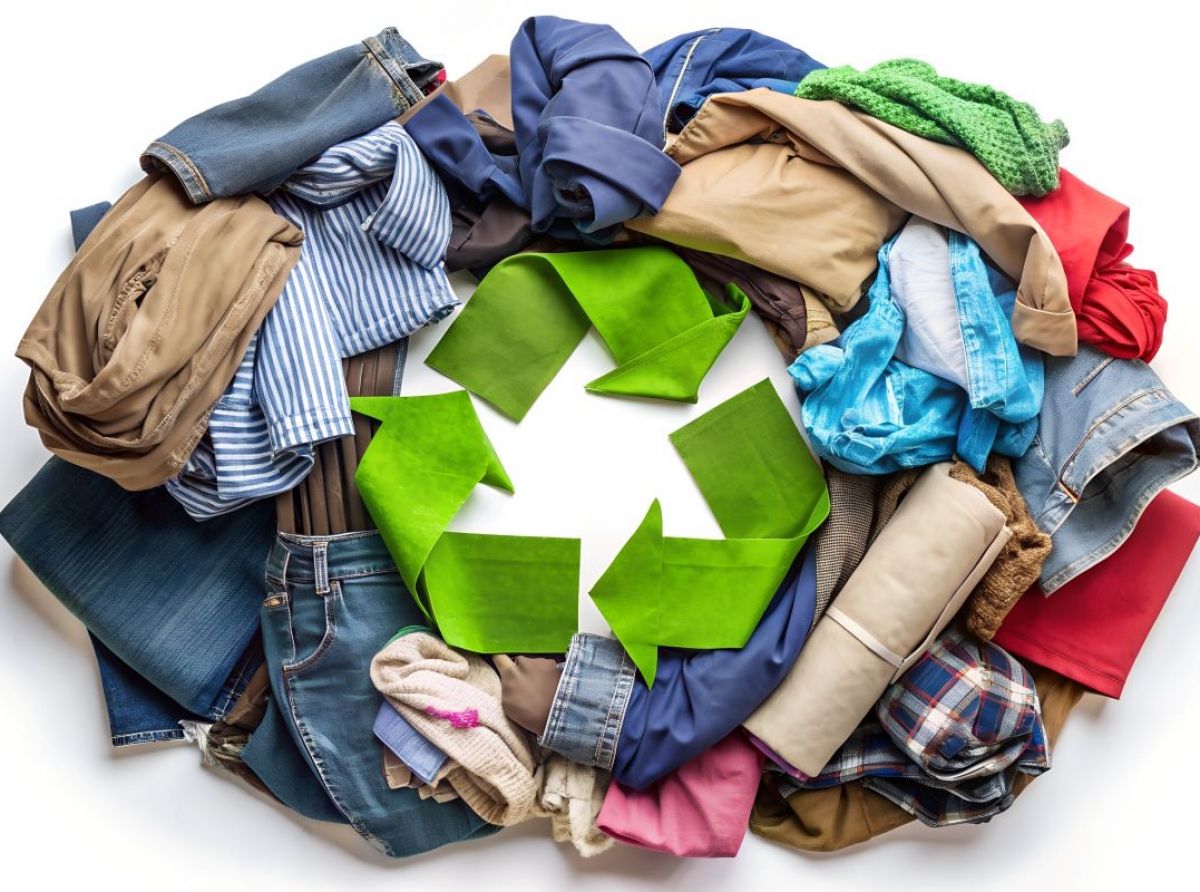
Most textile businesses still treat sustainability as a line item, something to budget
for, report on, and manage down. That framing is the problem.
Global buyers aren't asking suppliers to be sustainable out of goodwill. They're using
sustainability performance as a sourcing filter.
According to a 2025 OECD study, over 80% of garment and footwear brands now require sustainability certifications from suppliers, with regulatory compliance cited as a key driver alongside risk and traceability.
The EU's CSDDD, though recently amended to apply to the largest companies first, still mandates human rights and environmental due diligence across supply chains from 2029. ESPR will require Digital Product Passports for apparel categories. Brands facing these obligations are quietly consolidating their supplier base around manufacturers who can demonstrate compliance.
That's not a cost conversation. That's a market access conversation.
Manufacturers who've invested in cleaner processes, verified traceability, and credible ESG data aren't just doing the right thing, but they're also reducing the friction that buyers face when justifying sourcing decisions internally. They're becoming easier to work with at a time when supply chain scrutiny is only increasing. A 2025 USFIA study found that 53% of US fashion companies plan to increase investment in supply chain traceability, signalling where procurement decisions are heading.
The businesses still waiting for a "business case" for sustainability already have their answer. The business case is retaining the customers you have. Sustainability won't save a factory with poor quality or unreliable lead times. But it is rapidly becoming the baseline that determines who gets shortlisted in the first place. Competitive advantage doesn't come from meeting that baseline, it comes from meeting it visibly, verifiably, and early.
Credits: Authored article contributed by Ms Neetika Agarwal who works closely with the textile and apparel ecosystem, creating industry-focused content on sustainability, supply chains, and evolving compliance requirements. She is interested in how practical insights and data can support better decision-making across the value chain.


 CONTACT US
