Textile Sustainability: A Structural Metamorphosis Underway
A quick fact sheet
The textile and fashion industry is widely recognized as one of the world's largest polluters, frequently cited in reports as the second most polluting industry after oil, and a major contributor to global greenhouse gas (GHG) emissions, often ranked behind energy and agriculture. Citation: Down To Earth
Sustainability in the global textile industry is no longer incremental (being no more a choice rather necessity)—it is undergoing a structural metamorphosis/shift driven by regulation push/consumer pull, investor pressure (Today investments are been seen from ESG lens), and shifting consumer expectations against a background of changing lifestyle landscape.
Reporting by Reuters highlights how brands and manufacturers are moving beyond pledges to measurable action across the value chain.
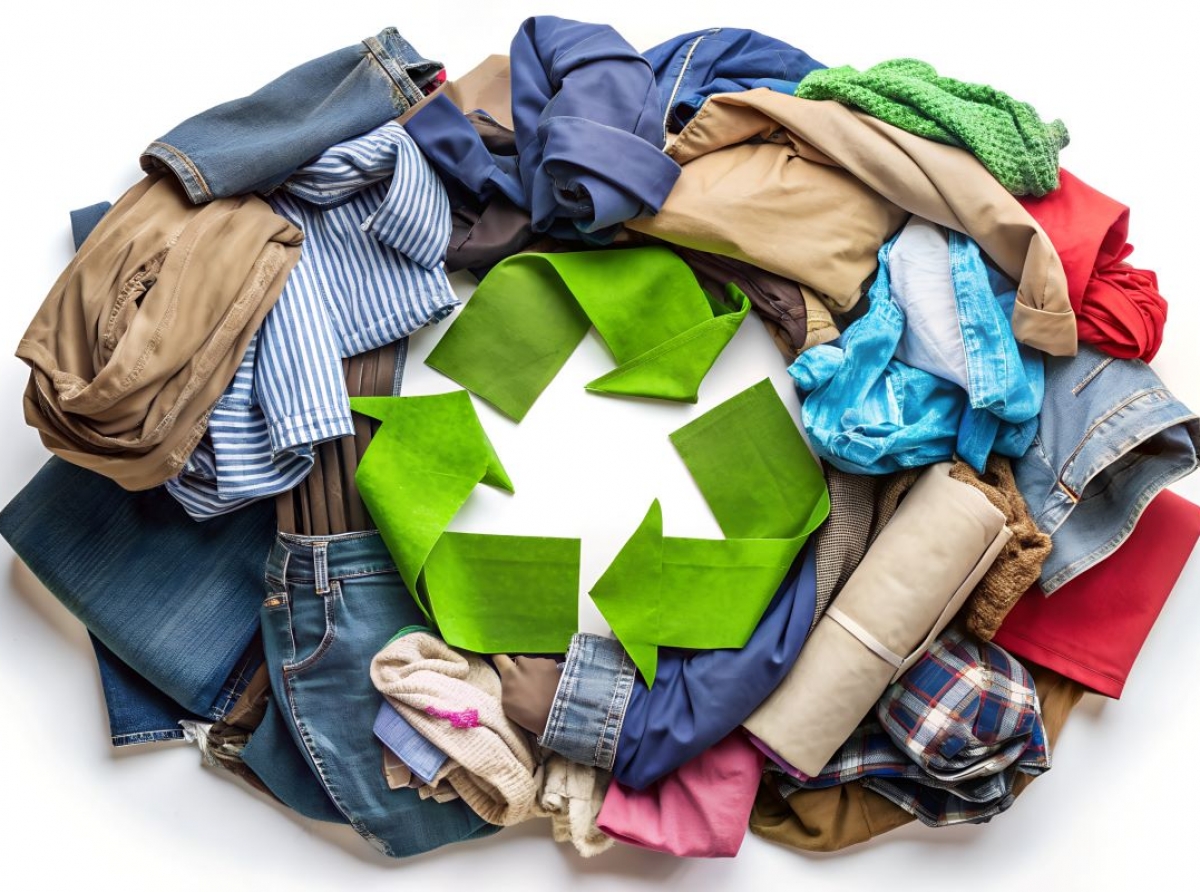
A key shift is the transition from linear to circular production. Major apparel companies are investing in recycling technologies and resale platforms to reduce dependence on virgin fibers. However, Reuters notes that scalability remains a challenge, with textile-to-textile recycling still accounting for a marginal share of total production (Reuters, 2023).
Resource efficiency is another focal point. Textile dyeing and finishing—historically linked to high water usage and pollution—are witnessing adoption of water-saving technologies and cleaner chemicals. According to Reuters coverage citing global development data, the sector contributes significantly to industrial water pollution, pushing regulators and brands toward stricter compliance and innovation (Reuters, 2022).
Transparency is emerging as a defining pillar. Digital traceability tools, including blockchain-backed systems, are being deployed to track raw materials and ensure ethical sourcing. This aligns with tightening global norms, particularly in Europe, where sustainability disclosures are becoming mandatory (Reuters, 2024).
Crucially, Reuters reporting underscores the financing gap—while large brands advance sustainability agendas, smaller suppliers struggle with the cost of transition. Bridging this divide will be essential to achieving ecosystem-wide impact.
While some studies indicate the industry is moving towards a circular economy and improved sustainability, the sheer volume of production continues to place it among the top contributors to environmental degradation, with major new regulations like the EU Strategy for Sustainable and Circular Textiles taking effect in 2026. Citation: ClimateSeed
Fast fashion has a massive environmental impact
Projections: Without significant shifts toward sustainable practices, fashion industry emissions are expected to rise by more than 50% by 2030, potentially consuming a quarter of the world’s carbon budget by 2050. Citations: Frontiers
Story for tomorrow: Test of patience
Starting from 2026, the European Union is implementing a series of stringent regulations under the Ecodesign for Sustainable Products Regulation (ESPR) and the EU Strategy for Sustainable and Circular Textiles, aimed at eradicating fast-fashion waste, banning the destruction of unsold goods, and enforcing high environmental standards for all textiles sold within the EU. Citation: European Parliament
More coming up; New EU rules to stop destruction of unsold clothes and shoes. Citation: 9 Feb 2026; European Commission
One of the most polluting industries is textiles and clothing sector: "History turns a page"
'Sustainability Push Reshapes Global Textile Industry Ecosystem'
We are at an inflection point witnessing Metamorphosis of Sustainability in the Textile Industry giving a heart to the sustainability warriors: More broadly in the wider world using the cliché "From Compliance to Core Strategy".
The textile industry’s sustainability journey is thus evolving—from fragmented initiatives to an interconnected, accountability-driven ecosystem in the drive to make textile sector more responsible to multi-stakeholders adopting good practices thus making it a more livable planet.
Go beyond market headlines: Nobody knows the economic impact of it big or small!
SUSTAINABILITY
References (for ethical citation)
CREDITS: This article is derived using Reuters reporting + few other sources an automated generated text by the internet with citations wherever applicable. The content has been "edited in parts" by us.


 CONTACT US
