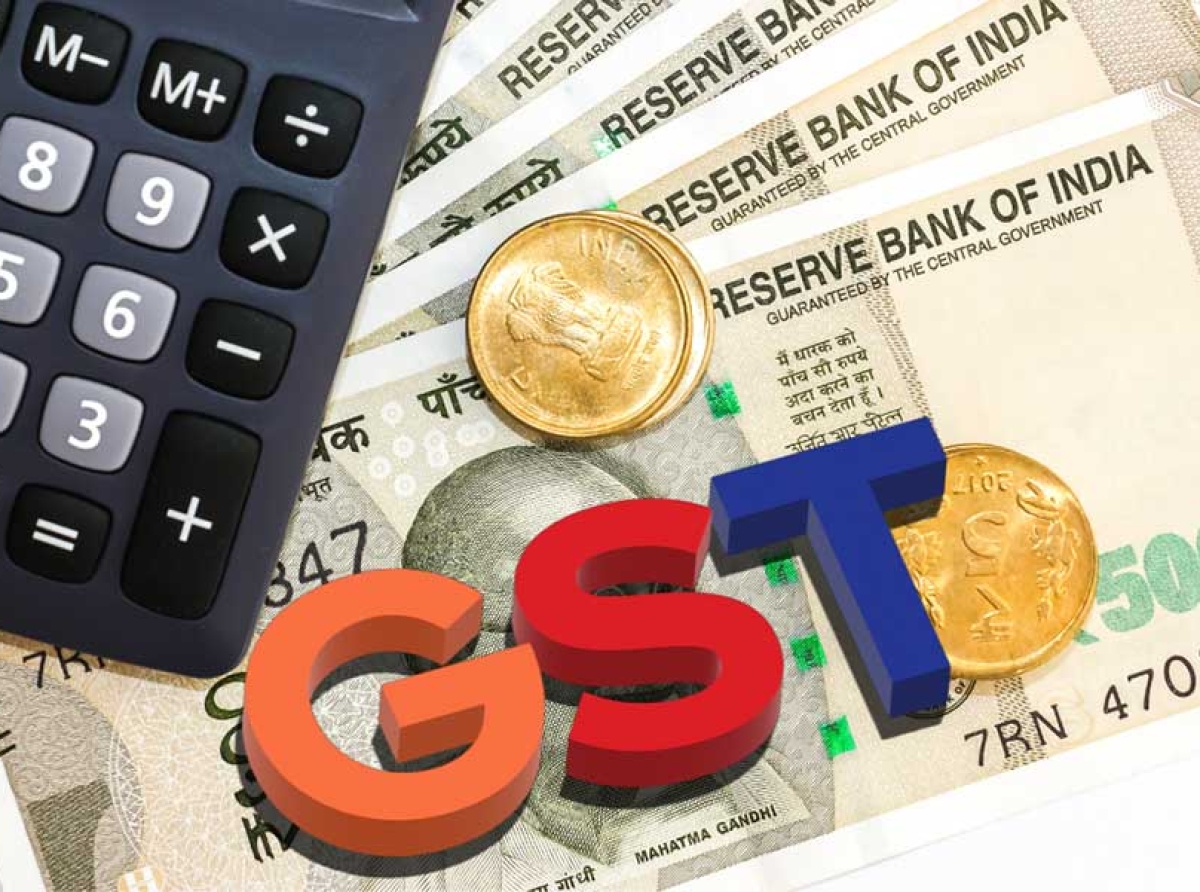
GST BOOST
Headline: New GST rates (effective Sep 22, 2025) — what it means for textile prices, demand, and working capital.
Snapshot
Summary: How it goes
GST re-fitment reduces tax on man-made fibres, yarns and many MMF products (old 18%/12% → new 5%), removing the major inverted-duty pain — result: lower landed costs for MMF chains, faster refunds, and better cash flow for exporters and brands.
Fast facts
Core changes for textiles: many MMF inputs (fibre/yarn) have moved to 5% from 12%/18%, while cotton items largely remain at 5%.
Expected effective date: September 22, 2025 (final product-level notifications from CBIC will confirm exact HSN fitments).
Demand tailwind
Short term (1–3 months): Demand pickup for value MMF garments, school/uniform, and home textiles as dealers/retailers re-price for festive season. Exporters likely to be more competitive in tenders due to quicker refund flows.
Medium term (3–9 months): Greater substitution toward MMF-blended products where cost advantage exists; cotton remains desirable for premium segments.
Price impact
Input costs fall for MMF chains — typical downstream cost reduction at yarn/fabric stage: ~3–6% (varies by mix).
Brands may split benefit between lower MRPs and higher margins; watch promo intensity in Oct–Nov, 2025.
Margins & Working Capital
Spinners/processors in MMF get relief from inverted duty — fewer blocked ITC/refund queues → lower financing costs and improved margins.
Processors using chemicals/dyes: some residual inversion may remain if chemical rates differ — monitor HSN notifications.
General mood
Market sentiment: strongly positive. Industry bodies view this as an operationally meaningful reform (less refund pain, faster cash cycles).
Read our latest issue
Immediate actions for sellers & brands
Update price sheets and re-quote offers effective Sep 22 (mention GST applicability date).
Reconfigure ERP tax masters & run test e-invoices with new HSN fitments.
Prioritise shipments/orders by date to avoid mixed-rate accounting.
Reconcile blocked ITC and file refunds; expect faster processing in eligible cases.
Revisit supplier contracts for pass-through and price-revision clauses (chemicals may still carry older rates).
Prepare a customer communication explaining savings and new MRPs or promotional plans.
CREDITS: This information was provided by Shubhasis Sur – Sales, Textile Processing & Finishing Machinery, Voltas Umpesl Ltd, and remains unedited and unreviewed by our team.


 CONTACT US
