







_large.jpg)


India’s apparel industry is entering a more demanding phase in 2026. Global buyers are changing how and where they source, and India is being taken more seriously as supply chains diversify beyond a few traditional hubs.
At the same time, trade developments such as the India EU FTA impact on garments and improving market access discussions with the onset of India-US FTA have created favourable business environment and, a stronger opening for India apparel exports. Reducing tariff barriers may help Indian vendors to compete better, but the key advantage is in quality and on-time delivery.
Trade Barriers Are Being Reduced, But the Buyers Still Wants Reliability
There are more export opportunities available, but the customer has higher expectations: it’s not just about price; they want consistency, transparency, and on-time delivery.
As one sourcing professional said, “Duty support helps, but if shipments slip or quality drops, the order doesn’t come back.”
Productivity Is Now the Real Differentiator
For many manufacturers, garment factory productivity has become the biggest business issue. Output per worker, fabric utilisation, rejection control, and faster turnaround are now directly linked to margins.
This matters because pressures are building on the shop-floor, from rising power costs to labour gaps in key clusters. Orders are also getting smaller and quicker, leaving less room for inefficiency.
Lean Manufacturing and Skills Are Back in Focus
To respond, many units are returning to basics, strengthening lean manufacturing in apparel, improving line discipline, and investing in workforce training.
Automation is also being adopted in practical ways. The goal is not to replace labour, but to reduce avoidable errors and support more consistent production cycles.
Compliance Is No Longer Optional
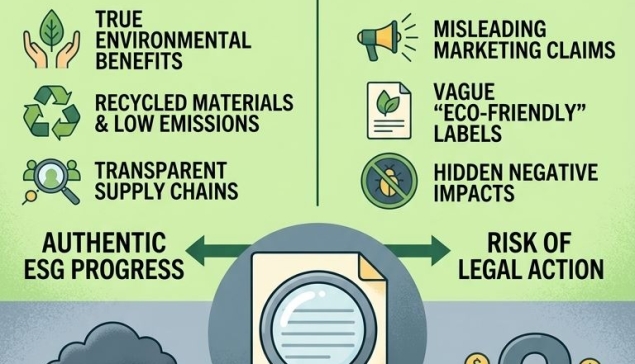
Another major shift is compliance. Compliance has become mandatory in the textile sector and not an option anymore.
Global buyers now demand audit readiness, labour transparency, environmental responsibility, and supply chain traceability as a minimum entry requirement. For Indian exporters, compliance is as important as cost competitiveness.
Fabric Trends Are Driving Demand
Demand is also becoming more fabric-led. Consumers demand comfort, breathability, and ease of wear.
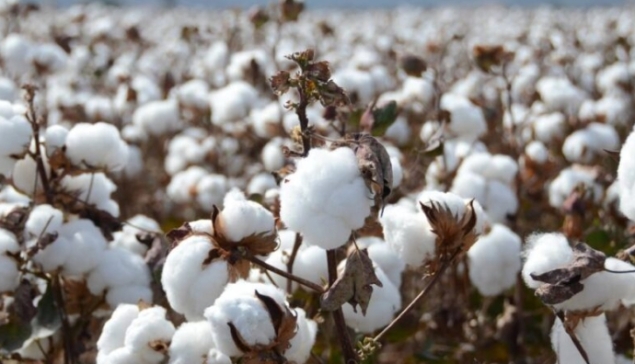
These fabric trends in apparel, from softer cotton blends to functional fabrics, are shaping product success even before design decisions are made. This is pushing manufacturers to work more closely with mills and processors.
The Road Ahead
The opportunity for Indian textiles and apparel (T&A) in 2026 is real, but trade access alone will not be enough.
The sector’s next phase will belong to businesses that improve productivity, strengthen compliance, respond to fabric-led demand, and embed sustainable textiles India practices into daily operations. Execution, not just expansion, will decide who benefits most.
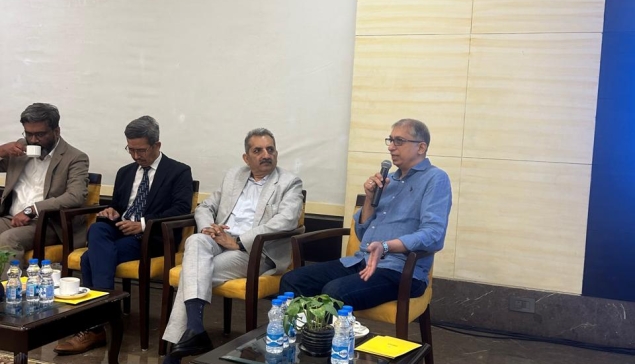
CREDITS: Views shared by Sandeep Kapoor, CMD, SHREE Lifestyle Brand, often referred to in the industry as the “Fabric Guru” for his focus on fabrics and demand trends.


 CONTACT US
