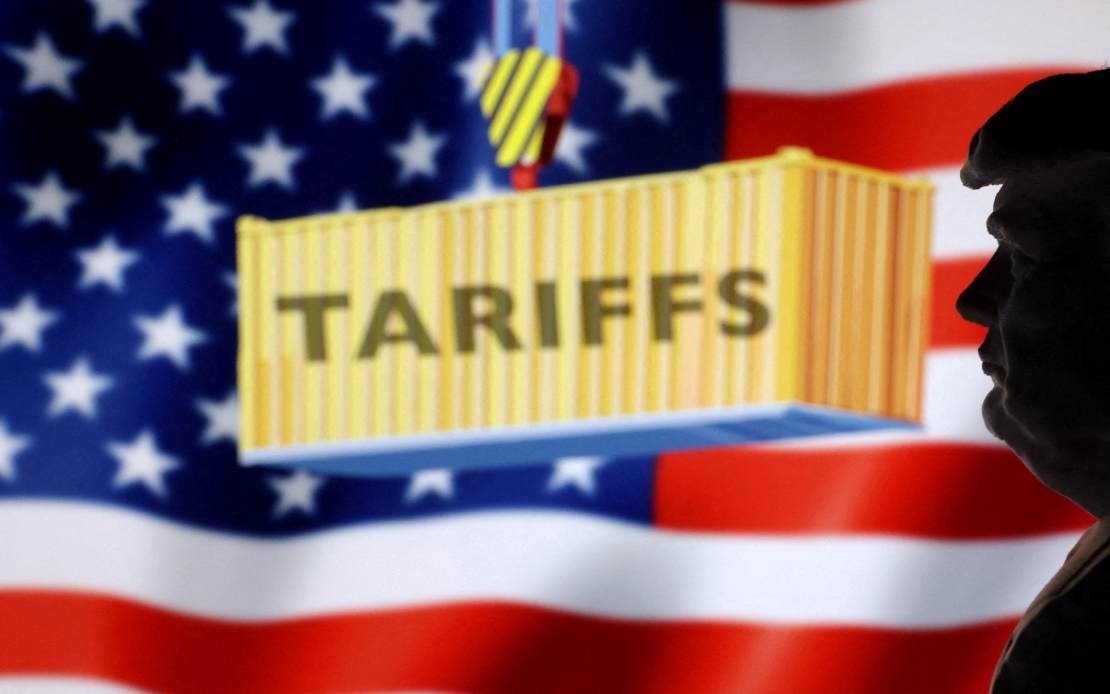
Economic ties between India and the United States have grown increasingly complex, with trade tensions surfacing as a recurring challenge. Disputes largely stem from tariff escalations, unequal market access, and regulatory disagreements. Washington continues to push India to ease restrictions on American exports, while New Delhi counters that such demands threaten its domestic producers and small farmers.
The conflict deepened when U.S. tariffs on steel, aluminum, and other imports triggered India’s retaliatory duties on agricultural and manufactured goods. The disagreements extend well beyond tariffs, touching on sensitive areas such as data sovereignty, pharmaceutical pricing controls, and rules governing digital commerce.
Yet, despite these flashpoints, both governments understand the strategic necessity of economic cooperation, especially amid shifting global power equations. While the standoff has created short-term trade hurdles, it is simultaneously prompting both sides to design new mechanisms that reconcile national priorities with long-term partnership and shared prosperity.
CREDITS: The automated piece of information generated out of internet and has not been edited by us.



 CONTACT US
