Contextualizing the present situation; India's textile sector has long languished on account of tariff hurdles in Canada, where competitors like Bangladesh and Vietnams of the world kept enjoying duty-free entry via preferential pacts, saddling/leaving Indian exporters with MFN duties up to 18% on key apparel lines (conventionally a big labour intensive sector in India). This inherent disadvantage knocks out price competitiveness and, sadly limiting India's share despite supplying visibly 13% of Canada's home textiles merely at $254 million annually.
Here is hope
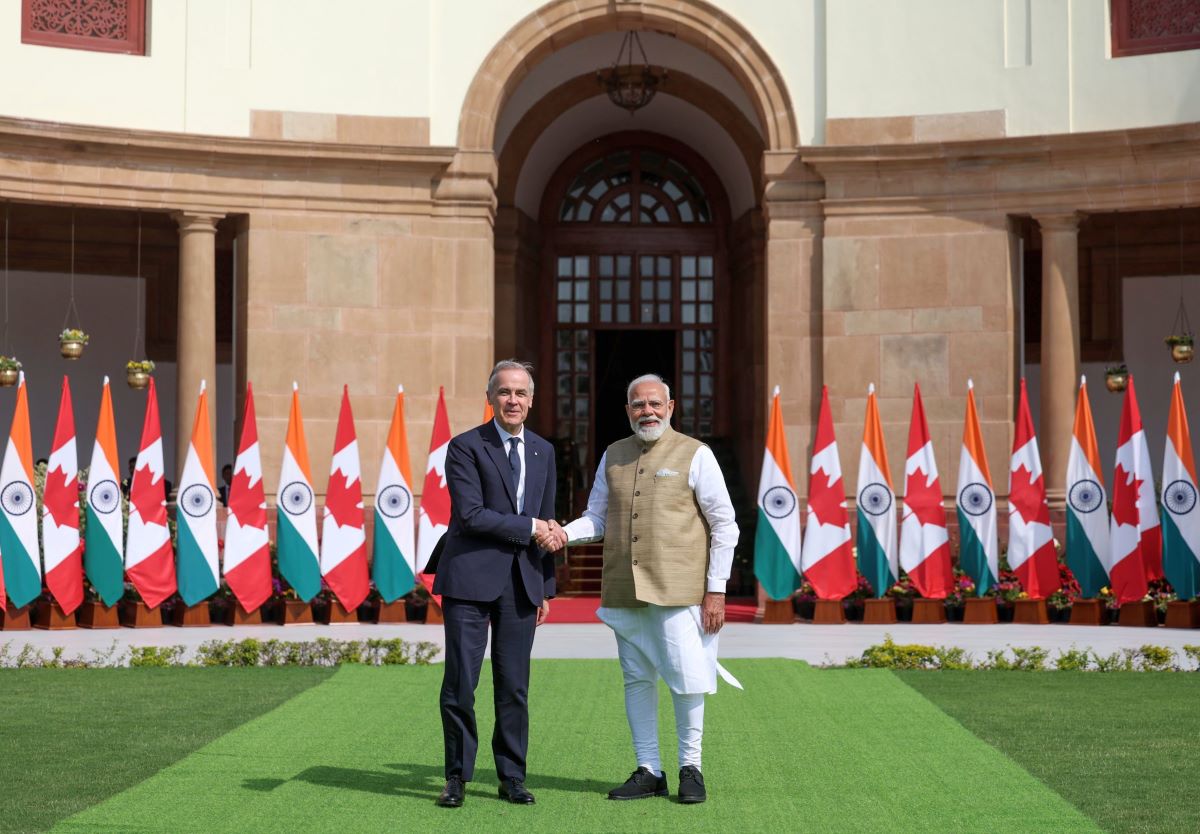
The freshly signed Terms of Reference for India-Canada CEPA, inked March 2, 2026, by Ministers Piyush Goyal and Maninder Sidhu, laying a path to eliminate these barriers through tariff cuts/concessions on goods like cotton garments which is a very good news—which by the way is India's top export to Canada.
Terminal target; Targeting conclusion by end-2026, the good bit is that, it promises balanced market access, leading to a bump up to bilateral trade toward $50 billion by 2030 and enabling sharper bids against rivals enabled by the price competitiveness thus achieved.
What it means in plain English
For India's apparel and home textiles, this means faster lead times and compliance-focused gains in categories such as knitwear, potentially boosting export traction as zero-duty parity arrives as a long awaited relief. The caveat here is that, 'Exporters must prioritize rules-of-origin adherence amid the reset to gain out of the opportunity it offers'.
All in all the government is doing its bit bit by engaging with most of the major merchandise and services export destinations help evolving FTAs landscape putting India's textile exports in far more comforting situation than yester years/decades.
CREDITS: The piece of information has been an automated generated text by the internet. The content has been edited and reviewed by us.



 CONTACT US