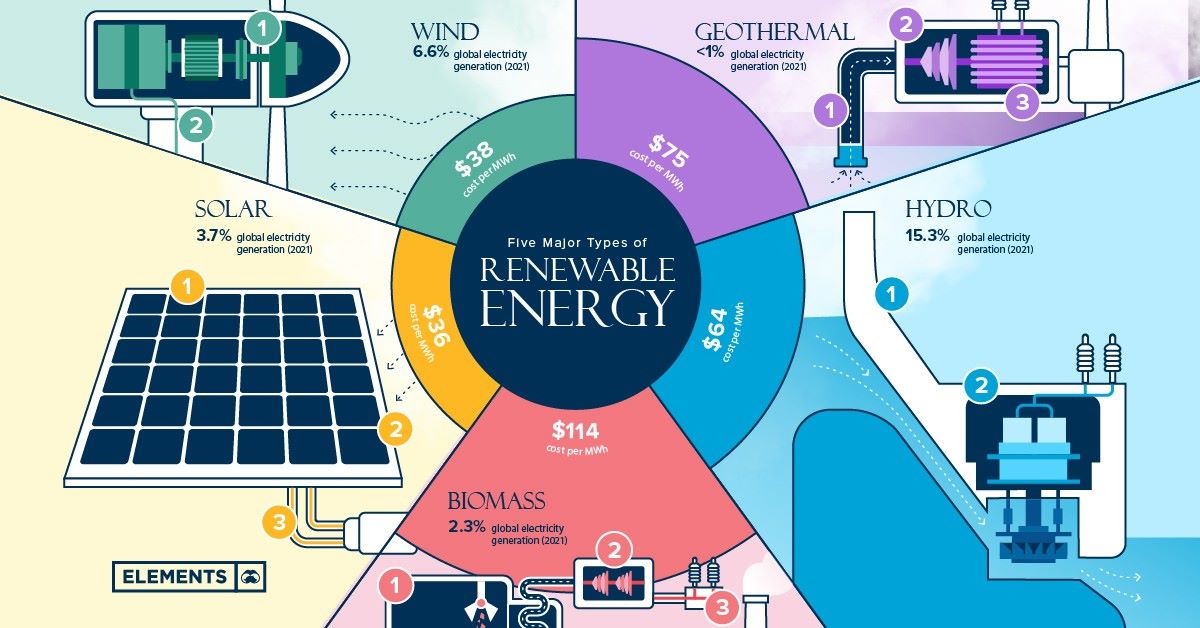
In textile manufacturing, energy isn't merely a utility cost—it's the biggest driver of expenses and carbon emissions. From spinning and weaving to dyeing and finishing, every process guzzles power.
Factor in soaring grid tariffs, volatile coal prices, and buyers' strict decarbonization demands, and energy choices have escalated from operations to C-suite imperatives.
MUCH MORE
Beyond Basic Solar
For Indian textile firms, renewables demand sophisticated planning synced with production loads, state open-access rules, captive power models, steam needs, and ROI timelines.
A solid roadmap weighs on-site solar against group captive or open-access buying; biomass/agro-waste for steam; processing electrification; load optimization; and carbon cuts per kg of yarn/fabric.
Join our group
Strategic Risk Hedge
This aligns with BRSR reporting, SEBI mandates, and global Scope 2 targets. Renewables aren't short-term costs—they shield against risks. With EU's CBAM eyeing carbon intensity and brands demanding traceable low-carbon output, your energy mix dictates export edge.
SUSTAINABILITY
Long-Term Wins
Smart strategies slash costs, lower emissions per unit, boost ESG appeal, and buffer carbon pricing shocks. Firms baking renewables into capex today lock global contracts tomorrow. Energy transition? Not optional—it's decade-long positioning.
CREDITS: Authored article contributed by Ms Ritika Goenka, ESG & Carbon Management Consultant | Sustainability Strategist | Helping companies reduce emissions, meet ESG expectations, and grow sustainability. The content has not been edited and reviewed by us.


 CONTACT US
