



_large.jpg)


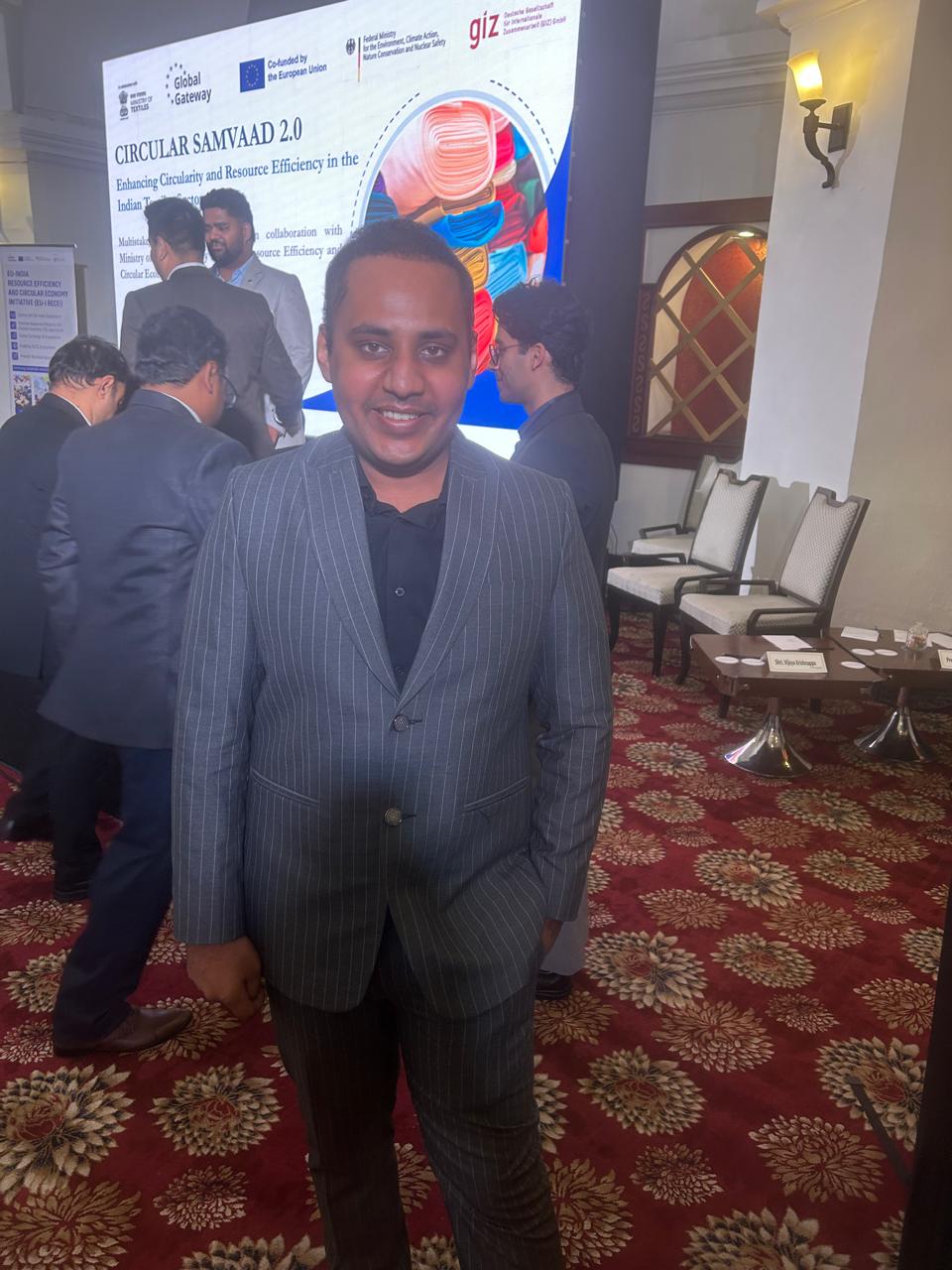
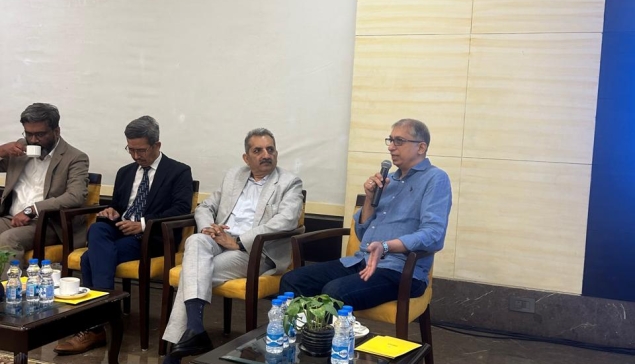
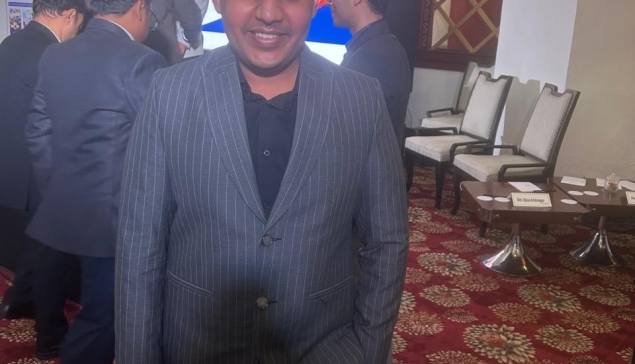
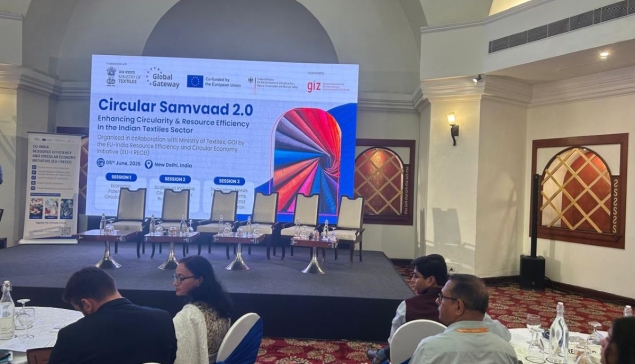
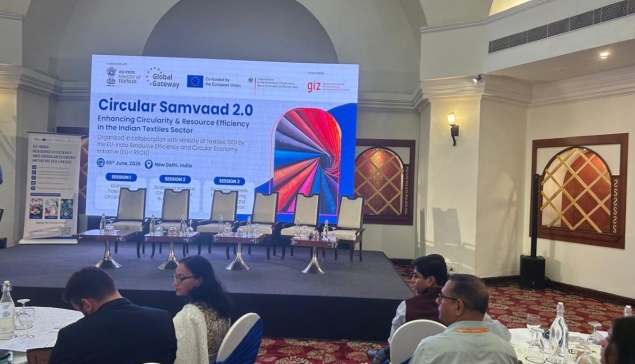
In conversation with Salil Chawla, Director DFU Publications, Archish Kansal MD of Kay Gee Enterprises spoke on the sidelines of the Circularity Sanvaad 2.0 conference about textile-to-textile recycling. Archish introduced himself as the founder of Respun and explained that the organisation collects post-consumer clothing from across India — with active collection in Delhi, Gurugram and Noida — then brings items to their Panipat facility where they sort garments by color and fiber composition and mechanically recycle them. He noted Respun is among the few recyclers focused on post-consumer textiles in Panipat, a region that already hosts more than 200 mechanical recycling units.
Archish argued that true textile-to-textile recycling is the ideal and predicted it will arrive sooner rather than later, but stressed the need for incremental steps to get there. He reviewed three decades of progress: starting with wool recycling when cotton seemed impossible, moving to cotton (first pre-consumer, then post-consumer), then handling blended and synthetic fabrics through ongoing experimentation and entrepreneurship. He said the pace of innovation in recycling over the past 30 years can accelerate dramatically over the next five years thanks to growing attention from the Ministry of Textiles, philanthropic foundations, media, and many new players. While optimistic, Archish emphasized we should acknowledge the substantial value mechanical recycling already provides on the journey to full textile-to-textile solutions. He also invited discussion about the technology side—how digital tools and process innovations can reimagine and redefine textile recycling as a business.
On the technology front, Archish Kansal stressed that tech is critical to textile recycling and has improved dramatically over the years. He pointed to recent advances—such as the fiber-identification “fiber lens” tools now available—that would have been unimaginable five years ago. He also noted a shift among legacy machinery makers in Europe: manufacturers that historically built equipment for virgin yarns are recognizing the potential of recycled yarns and mechanical recycling, and are investing their expertise and capital into updating machinery for recycling applications. Taken together, these developments make full textile-to-textile recycling increasingly feasible in the near future.
Asked about Panipat’s place on the global recycling map, Archish said Panipat has already laid solid groundwork: it recycles garments, converts them into products, and exports them worldwide. He believes the next five years will be an era of recognition for Panipat—acknowledging contributions that were previously overlooked—and that the city is likely to become a globally prominent name in the textile industry.
His message to the industry: keep the ideal or “North Star” for textile-to-textile recycling in view, but respect the incremental steps that make that future possible. Technology and ambition are essential, yet progress comes through baby steps that accumulate into giant leaps.


 CONTACT US
