








AEPC

Reacting to the RMG export data for the month of February 2026, Dr A Sakthivel, Chairman AEPC said. “India’s Ready-Made Garment (RMG) export sector declined by -8.60% for the month of February 2026. However, the cumulative exports for the period April 2025 to February 2026 stood at 14.53 billion USD over USD 14.46 billion reflecting a marginal growth of 0.51%.” This reflects the sector’s ability to maintain stability amid a challenging global trade environment. The RMG sector continues to demonstrate resilience despite persistent global economic uncertainties and supply chain disruptions. The sector has been navigating multiple external challenges, including subdued demand in key markets, he added.

USIranConflict

Inflationary pressures for India’s apparel exporters 

Trump war keeping global economy edgy 
Domino effect: Surcharges, longer routes push up cost for apparel exporters 

Multiple headwinds as West Asia battle rages 
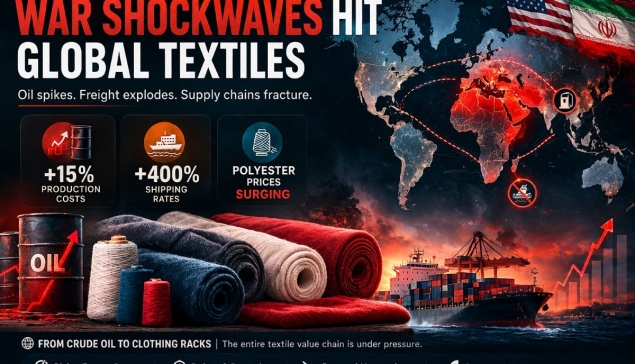
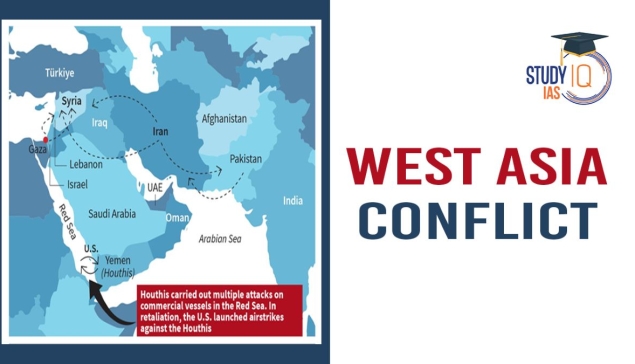
The brake out of US Iran war/ conflict in West Asia is driving up costs/upward risks to input costs for India’s apparel exporters, adding as per trade estimates as much as Rs 12 and Rs 55 for every single garment exported on account of longer shipping routes/delayed shipments and war-related surcharges, according to estimates by AEPC.

BangaloreApparelManufacturersAssociation

BAMA (Bangalore Apparel Manufacturers Association) presents

The TEXSTYL Show

A premier platform for the textile and apparel industry to
Collaborate • Connect • Create.

The event highlights a wide range of fabrics, trims, and textile innovations, bringing together manufacturers, designers, brands, and sourcing professionals.

FastFashion

The Next $50 Billion Frontier
India is arguably the most exciting — and consequential — new battleground for fast fashion. The combination of 850 million internet users (2024), 180 million+ middle-class households, a median age of just 28 years, and rapidly expanding e-commerce infrastructure has created conditions for explosive market growth.

In 2024, India's fast fashion market was valued at approximately $10–13.5 billion. By FY2031, it is projected to reach $50 billion — a CAGR exceeding 20%, far outpacing the broader fashion industry's 6% annual growth. The India market is expected to reach $12.2 billion by 2026 alone, with 250 million individuals aged 16–30 actively engaging with fast fashion platforms.

Fast Fashion: From Runway to Algorithm — The Industry That Never Slows Down

Fast Fashion: From Runway to Algorithm — The Industry That Never Slows Down

There was a time when fashion moved with the rhythm of seasons. Designers unveiled spring–summer and autumn–winter collections months before they appeared in stores. Retailers predicted trends, placed orders in advance, and hoped consumers would follow. That cadence defined the industry for most of the twentieth century.

Everything changed in the 1990s when a Spanish retailer, Zara, stunned the industry by bringing a runway idea to the shop floor in barely two weeks. A journalist at The New York Times coined a phrase to describe the phenomenon: fast fashion. The term captured a revolution in motion — speed replacing seasons as the industry’s central logic.

MPGovtAnnouncement

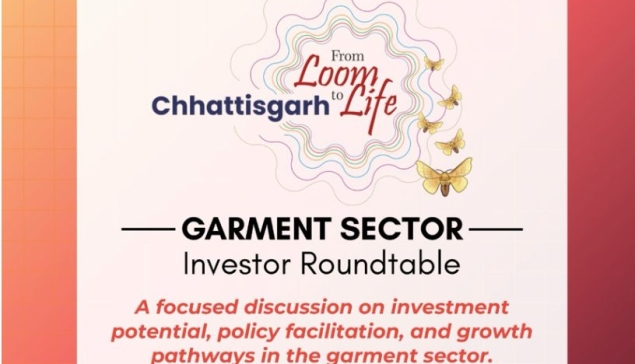
CHHATTISGARH GOVT. ANNOUNCES MAJOR INCENTIVES FOR THE GARMENT INDUSTRY! 

The Government of Chhattisgarh has identified Garment Manufacturing as a Thrust Sector under its Industrial Development Policy 2024–30.
To discuss opportunities and attract investments, a Virtual Roundtable with Industry Leaders & CMAI Members will be held under the chairmanship of Shri Rajat Kumar, IAS, Secretary – Department of Commerce & Industries, Govt. of Chhattisgarh.
Event Date: 12 March 2026
Event Time: 12:00 PM – 1:00 PM.

WestAsiaWar

What worries Indian textile exporters: Why Indian Apparel Exporters Are Losing Sleep Over Iran
War in west Asia
Situation is much worse than what meets the eye; Geopolitics Meets Global Trade Risk
An in-depth look at how Middle East instability is reshaping India’s export landscape
Everyday is a new day in this disruptive world; Disruption triggered on the back of heightened global geopolitics and tech-led unprecedented disruption we have not seen in our life times. In the tightly scheduled/globalized village world of fashion and textile exports, timely delivery, predictable payments, and secure logistics are as important as design and quality.

GlobalOutreachSummit2.0

Targets ₹18000 Crore (USD 2 Billion) Business Facilitation for 2026-28 for Apparel & Lifestyle Industry

Press conference hosted by the senior leadership of Brands & Sourcing Leaders Association (BSL) officially announced Global Outreach Summit 2.0, 2026, scheduled in New Delhi.

The summit was organized by the Brands & Sourcing Leaders Association (BSL) with the objective of strengthening India’s position as a global hub for fashion, textiles, sourcing, and lifestyle industries.

More about:
AEPC Hails Restart of India-Canada CEPA Negotiations

Apparel exports to Can

ada to get a boost with FTA with focus on investment, talent & technology sharing: Chairman AEPC.
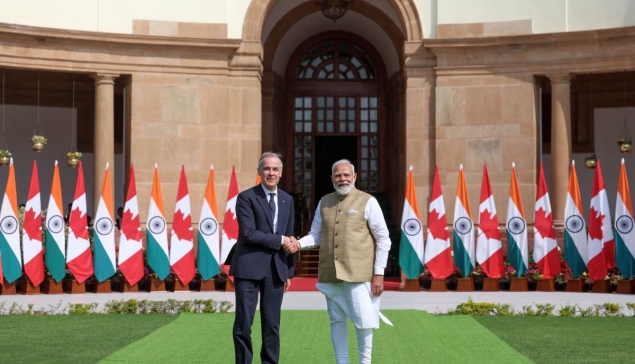
Expressing optimism about the growing ties between India and Canada, Dr. A. Sakthivel, Chairman AEPC welcomed the strengthening of bilateral ties, especially the resumption of discussions for the Comprehensive Economic Partnership Agreement (CEPA). Chairman AEPC hails the visit of Canadian Prime Minister Mr. Mark Carney and his address to the CEO’s Forum, alongside Hon’ble Prime Minister Shri Narendra Modi, reaffirming a shared commitment to strengthening bilateral economic engagement and a mutually beneficial Comprehensive Economic Partnership Agreement (CEPA).

TariffTantrums

Here and Now: The background is fast evolving global situation fuels uncertainty
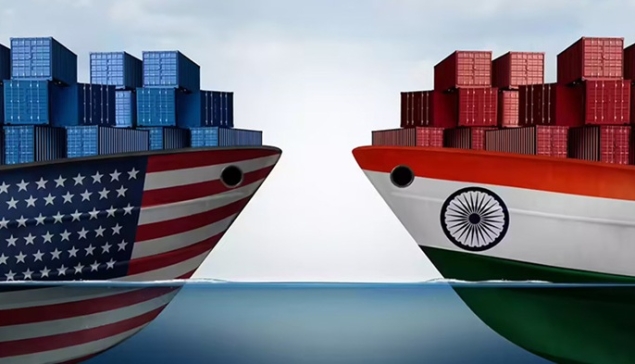
Indian textile exporters set to loose tariff leverage/arbitrage against China and other competitors. Also with fentanyl tariffs gone, again the advantage Indian exporters had is levelled. 
India’s Textile Exports After the U.S. Tariff Reset: Relief, Reality & Rising Competition is new reality
Developing story l Bringing elephant in the room; The rollback of selective U.S. tariff measures following judicial scrutiny/SC strike down of Trump's signature economic policy of earlier trade actions has brought temporary/transitory relief to global exporters including India

NITMA

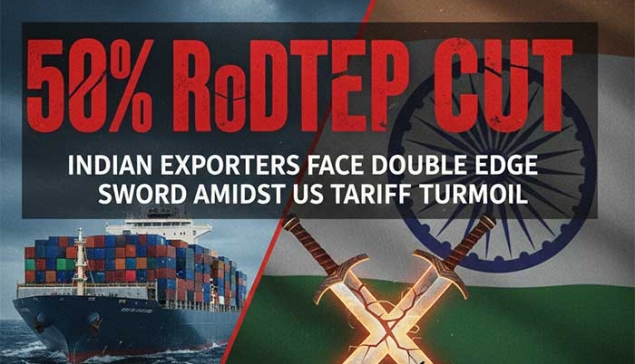
NITMA has sent representations to the Hon’ble Minister of Finance, Commerce & Industry & Textiles , expressing serious concern over Notification No. 60 dated 23 February 2026 , which reduces RoDTEP rates and value caps by 50% with immediate effect.
In a formal communication, the association cautioned about the sudden halving of remission rates and caps will have an immediate and damaging impact on the competitiveness, contract viability, and long term investment climate of India’s textile export sector.

TextileManufacturingPowerhouse

Trump Clears DPA Funds for U.S. Textile Sector: A gear shift 

A Strategic Boost to Domestic Manufacturing: Manufacturing takes a centre stage 

Policy intervention: Power play
In a significant policy signal to American manufacturing, Donald Trump has cleared the release of Defense Production Act (DPA) funds for the U.S. textile and apparel sector. The move has been widely welcomed by the industry, with the National Council of Textile Organizations (NCTO) calling it a timely and strategic intervention a gear shift.

Follow Us

Subscribe Our Newsletter
Amazing Deals, Updates & Freebies In Your Inbox
Please fill the required field.

People's Poll

War on Trade: India's RMG in Peril

People's Poll -2

How sustainability is driving India's textile industry

Social & newsletter

Search