










CITI

Ashwin Chandran takes over as CITI Chairman
Dinesh Nolkha is new CITI Deputy Chairman
Shreyaskar Chaudhary becomes CITI Vice Chairman.

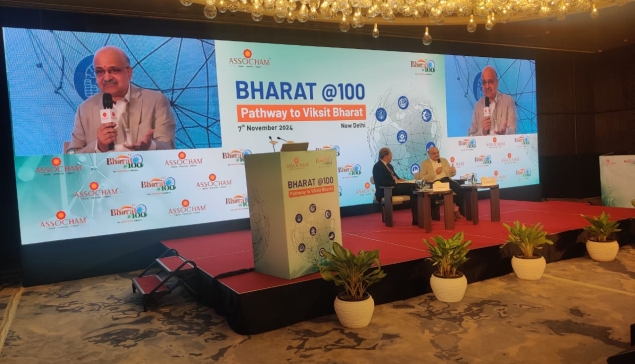
Ashwin Chandran has taken over as the new Chairman of the Confederation of Indian Textile Industry (CITI) starting September 18, 2025. Shri Chandran takes over the chairmanship from Rakesh Mehra whose term ended on September 18 following the conclusion of CITI’s 67th AGM which was held during the day. Dinesh Nolkha would become the new Deputy Chairman of CITI. Shreyaskar Chaudhary will take over as the new Vice Chairman of CITI.

TariffTantrums

US tariff hike hits Indian garments: Ind-Ra 
India's apparel exports are likely to take a hit due to the recent 50% US tariff hike, with potential revenue losses of 6-9% in FY2025-26. The US and European markets account for a significant portion of India's apparel exports, with the US being the largest destination, representing 33-34% of total exports.
Key Impacts:
Financial Pressure: Profit margins are expected to contract by 200-300 basis points as exporters absorb some of the tariff costs.
Loose Competitiveness*: Indian garments become pricier than those from countries like Bangladesh and Vietnam, which face lower tariffs.
Dominant Markets: The US and EU remain top destinations for Indian apparel exports.

TechnicalTextiles

The National Technical Textiles Mission (NTTM), launched by India’s Ministry of Textiles for 2020–26 with an outlay of ₹1,480 crore, aims to position the country as a global leader in technical textiles. Its focus spans innovation, commercialization, exports, skills, infrastructure, and standardization.

The mission is built on four core pillars.

Research & Innovation funds R&D, prototype development, advanced fibres, and sustainable materials to translate lab concepts into market-ready solutions.

Promotion & Market Development expands domestic demand through trade fairs, buyer-seller meets, and cross-sector linkages in agriculture, health, and infrastructure.

TechnicalTextiles

Startups are becoming a vital force in India's burgeoning technical textiles sector. They're driving innovation and creating specialized, high-performance fabrics for a wide range of industries, from healthcare to defense. Unlike traditional textile manufacturers, these agile startups are focused on research and development, exploring novel materials and production techniques. This focus helps them develop products like smart textiles, protective gear, and advanced geotextiles that are essential for modern infrastructure.
The Indian government, recognizing this potential, is actively supporting these ventures through initiatives like the National Technical Textiles Mission (NTTM). Under the Grant for Research and Entrepreneurship across Aspiring Innovators in Technical Textiles (GREAT) scheme, the government provides financial assistance to help startups translate their prototypes into commercial products. This support is crucial for bridging the gap between innovative ideas and market-ready solutions. As these startups grow, they not only contribute to India's self-reliance (Atmanirbhar Bharat) but also position the country as a global hub for technical textile innovation.

TechnicalTextiles

India’s technical textiles sector presents a rapidly expanding addressable market driven by innovation, policy support, and rising domestic and global demand. With applications spanning healthcare, infrastructure, mobility, agriculture, defense, and environmental sustainability, this segment is evolving beyond traditional textiles into high-performance, technology-driven solutions.

Government initiatives such as the National Technical Textiles Mission, Production-Linked Incentives, and quality standardization measures are accelerating growth while attracting investments and R&D collaborations.

Increasing awareness of advanced materials, coupled with India’s strong manufacturing base, positions the country to capture significant market share globally. As industries embrace automation, smart fabrics, and sustainable practices, the technical textiles market is set to become a cornerstone of India’s vision for a modern, competitive, and innovation-led textile economy.

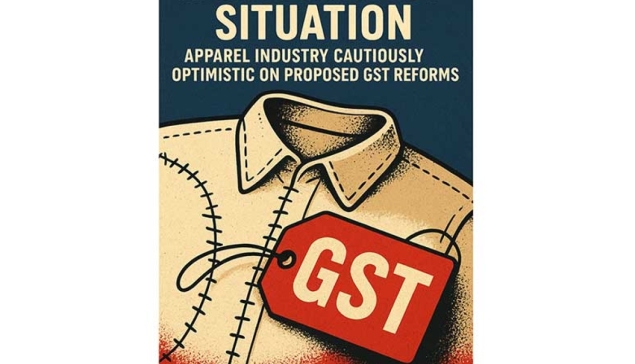
GST rejig: A landslide reform

GST centimeter

TEXPROCIL has expressed strong approval of recent Goods and Services Tax (GST) reforms, calling them a major relief for the textile value chain.

These reforms, effective from September 22, 2025, introduce a simplified 5% GST rate across the entire man-made textile value chain, correcting previous "inverted duty structure" and making Indian textiles more competitive globally.

This change aims to reduce costs, stabilize pricing, ease working capital pressures for businesses, and boost investment and growth in the sector, according to the Council.

GST

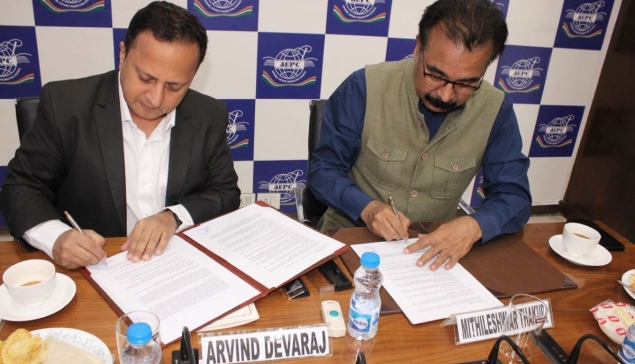
AEPC welcomes the Government’s latest #GST reforms. The GST reforms announced by the Government marks a big step in making India a developed economy.

CITI Welcomes Cotton Duty Relief for Textile Sector

Extension on cotton import duty exemption provides lifeline for India’s textile sector | CITI
No way to feel normal about!
Extension on cotton import duty exemption provides lifeline for India’s textile sector | CITI The Confederation of Indian Textile Industry (CITI) feels the extension of the import duty exemption on cotton will provide much-needed support to the Indian textile and apparel sector currently grappling with a challenge of gargantuan proportions in the form of the 50% US tariff imposed on Indian goods which came into effect on August 27. 
The US is the biggest market for India’s textile and apparel exports, accounting for almost 28% of the total sales of India’s textile and apparel exporters.

TariffTantrums

The recent tariffs imposed by the US are significantly impacting Indian textile exports. With a 50% tariff on textiles and apparel, Indian exporters are facing a substantial challenge in the US market, which accounts for around 15-18% of India's total textile exports.
Impact on Textile Exports:
Reduced Competitiveness: The high tariffs make Indian textiles less competitive in the US market, potentially leading to a decline in export volumes.
Job Losses: The textile industry, which employs a large number of workers, may face job losses due to reduced exports and decreased competitiveness.
Shift in Sourcing: US importers might seek alternative suppliers from countries with lower tariffs, such as Vietnam and Bangladesh.

TechtextilFrankfurtApril2026

Techtextil Frankfurt: April 2026
Manmade and Technical Textiles Export Promotion Council (MATEXIL) is organizing participation in Techtextil Frankfurt.
Event Dates: To take place from 21st-24th April 2026 Frankfurt am Main.
Manmade and Technical Textiles Export Promotion Council (MATEXIL) is organizing participation in Techtextil Frankfurt. The date is set and will take place from 21st-24th April 2026 Frankfurt am Main.
Opportunity it offers: The space booking through MATEXIL is underway.

TariffTantrums

To address supply chain issues and help its textile industry, India's government has temporarily removed the 11% import duty on cotton.
This exemption, effective from August 19 to September 30, is a direct response to appeals from industry leaders who argued that lifting the duty would reduce their costs and strengthen India’s position in trade talks with the United States.
​Speaking to CNBC, Rakesh Mehra, Chairman of the Confederation of Indian Textile Industry (CITI), praised the government's move. He acknowledged that the decision was a significant step, especially given the government's commitment to protecting farmers' interests.
This delicate balancing act is crucial as both the textile and agricultural sectors are key sources of employment in India.

Follow Us

Subscribe Our Newsletter
Amazing Deals, Updates & Freebies In Your Inbox
Please fill the required field.

People's Poll

A Strategic Boost to Textiles Manufacturing: Manufacturing takes a centre stage

People's Poll -2

How sustainability is driving India's textile industry

Social & newsletter

Search