






_large.jpg)


Emerging Regulations Reshaping the Textile Sector
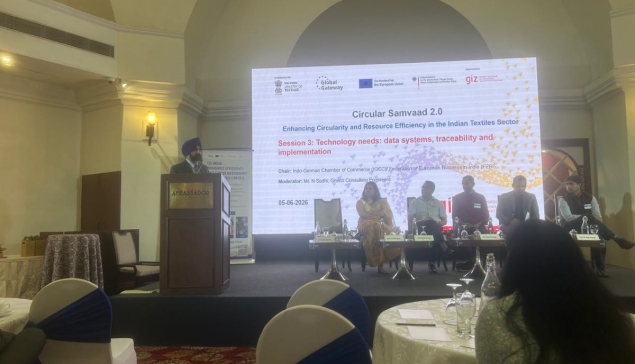
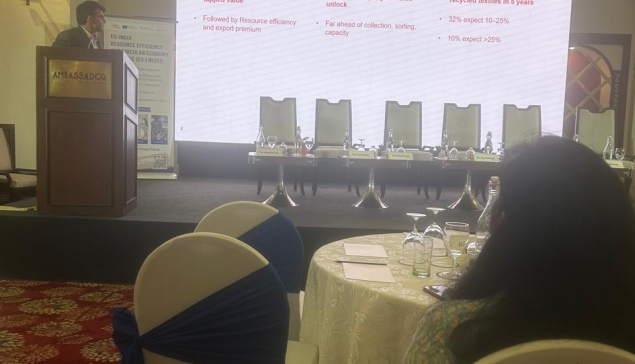
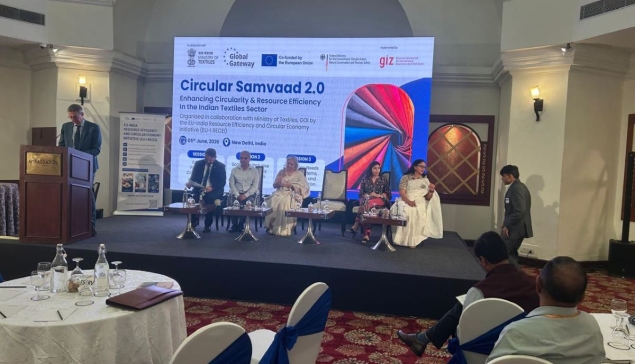
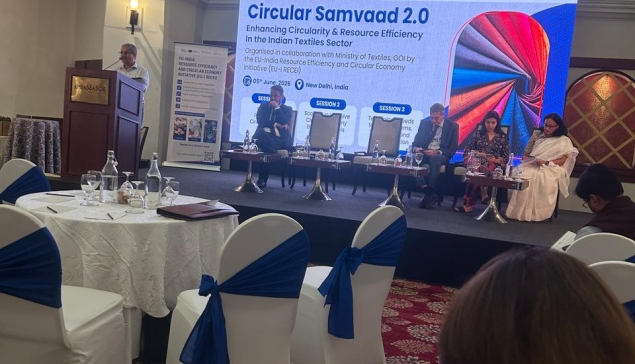
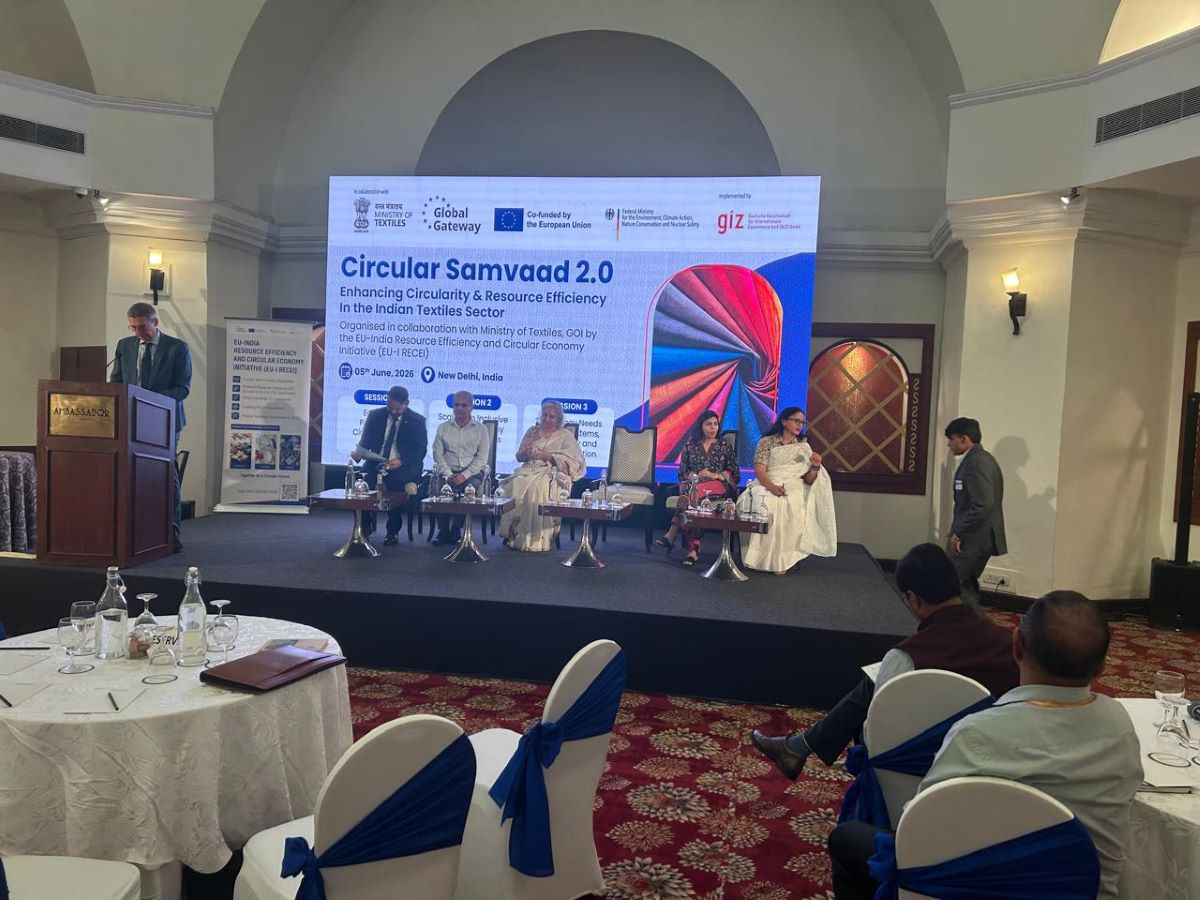
Excerpts from Franck Viault, Minister Counsellor, Head of cooperation, EU delegation to India at Circularity Samvaad 2.0 yesterday on World Environmental Day’.
The global textile and apparel industry is witnessing a rapid evolution in regulatory requirements, particularly in the areas of sustainability, traceability, product design, and waste management. Regulatory frameworks are increasingly emphasizing the need for responsible production practices, circularity, and transparency across the value chain.
A key development in this regard is the European Union’s Ecodesign for Sustainable Products Regulation (ESPR), which establishes a framework for improving product sustainability through enhanced design requirements, resource efficiency, durability, reparability, and recyclability. The regulation is expected to significantly influence the way textile products are designed, manufactured, and marketed.
Alongside ESPR, other regulatory initiatives such as waste management and waste shipment regulations are gaining prominence. These measures aim to address the growing environmental concerns associated with textile waste and promote a circular economy approach. Businesses will need to strengthen their compliance mechanisms and adapt their operational strategies to meet these emerging requirements.
The initial policy discussions and consultation papers have already laid the foundation for a series of recommendations that are expected to shape future industry practices. Industry stakeholders are therefore required to closely monitor regulatory developments and proactively align their systems with evolving standards.
Furthermore, several pilot projects and collaborative initiatives are being undertaken across different regions to assess implementation pathways and share best practices. These projects provide valuable learning opportunities and enable stakeholders to learn from one another’s experiences while preparing for full-scale regulatory compliance.
As sustainability regulations continue to expand globally, organizations that embrace innovation, traceability, and circularity will be better positioned to remain competitive in international markets and meet the expectations of regulators, consumers, and investors alike.


 CONTACT US
