





_large.jpg)


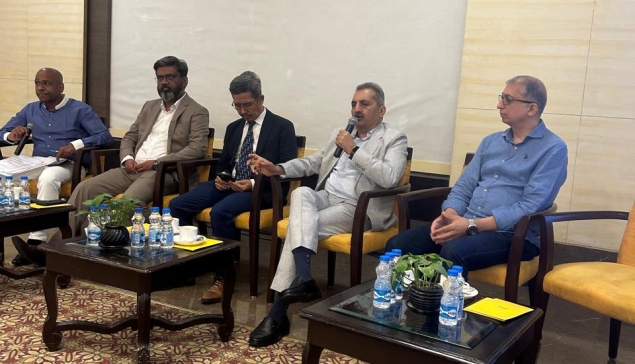
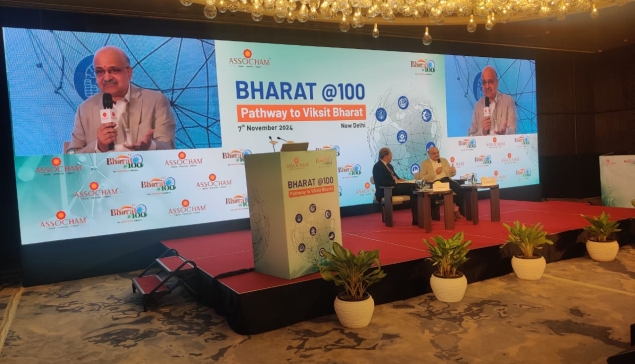
The discussion begins with reflections on how government messaging reaches people. Many citizens may not be deeply engaged with policy issues, yet they still benefit from access to certain programs and opportunities. The speaker emphasizes that while new issues can be raised, pushing them forward is complex and requires design capabilities that are difficult to sustain. Long‑term outcomes must be kept in mind, and solutions often involve working backwards from the edges of problems to find practical approaches.
The conversation shifts to questions from participants. One asks about what to look for “on the road”—a metaphor for navigating institutions, funding, and training opportunities. The speaker responds that security, clarity, and institutional support are key. Government funding mechanisms and collective governance structures are highlighted as important enablers.
Another theme is women’s empowerment. The speaker notes that women should not be confined to limited roles but instead be supported to treat their initiatives as enterprises. Small goals must be framed as part of a larger business journey, with households and communities recognizing these efforts as legitimate economic activity. Guidance, company participation, and mainstreaming financial access are seen as critical steps.
The discussion also touches on the future of “popular money” and mainstream acceptance of new financial tools over the next five years. The speaker stresses the need for breaks and pauses to ensure proper integration, while acknowledging the challenges of broadband, digital infrastructure, and collective participation.
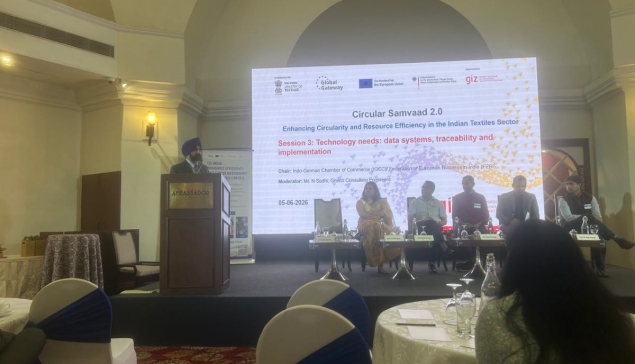
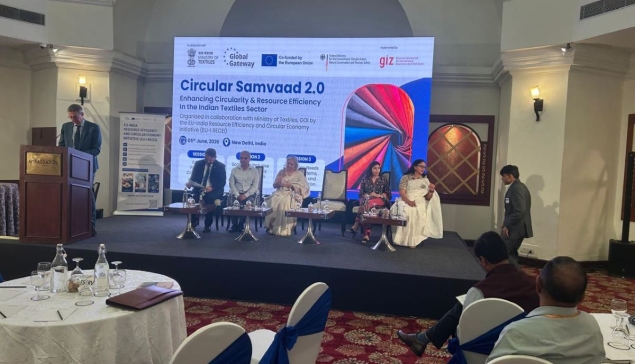
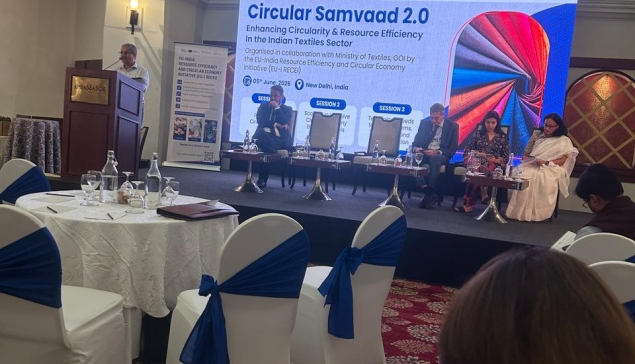
In conclusion: Circularity Samvaad 2.0
the session underscores that empowerment, enterprise thinking, and institutional support are essential for sustainable development. The repeated call to “take a break” reflects the need for reflection and recalibration as communities transition toward mainstream opportunities.


 CONTACT US
