






_large.jpg)

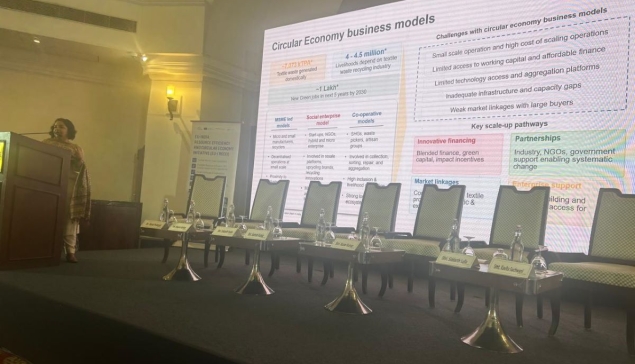
Scaling up inclusive circular economy business models
Natural Fibers Driving Circular Innovation
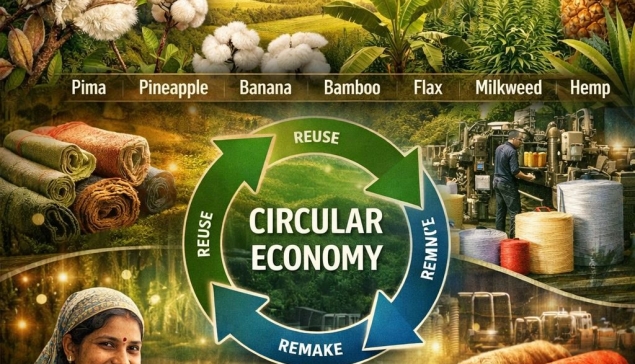
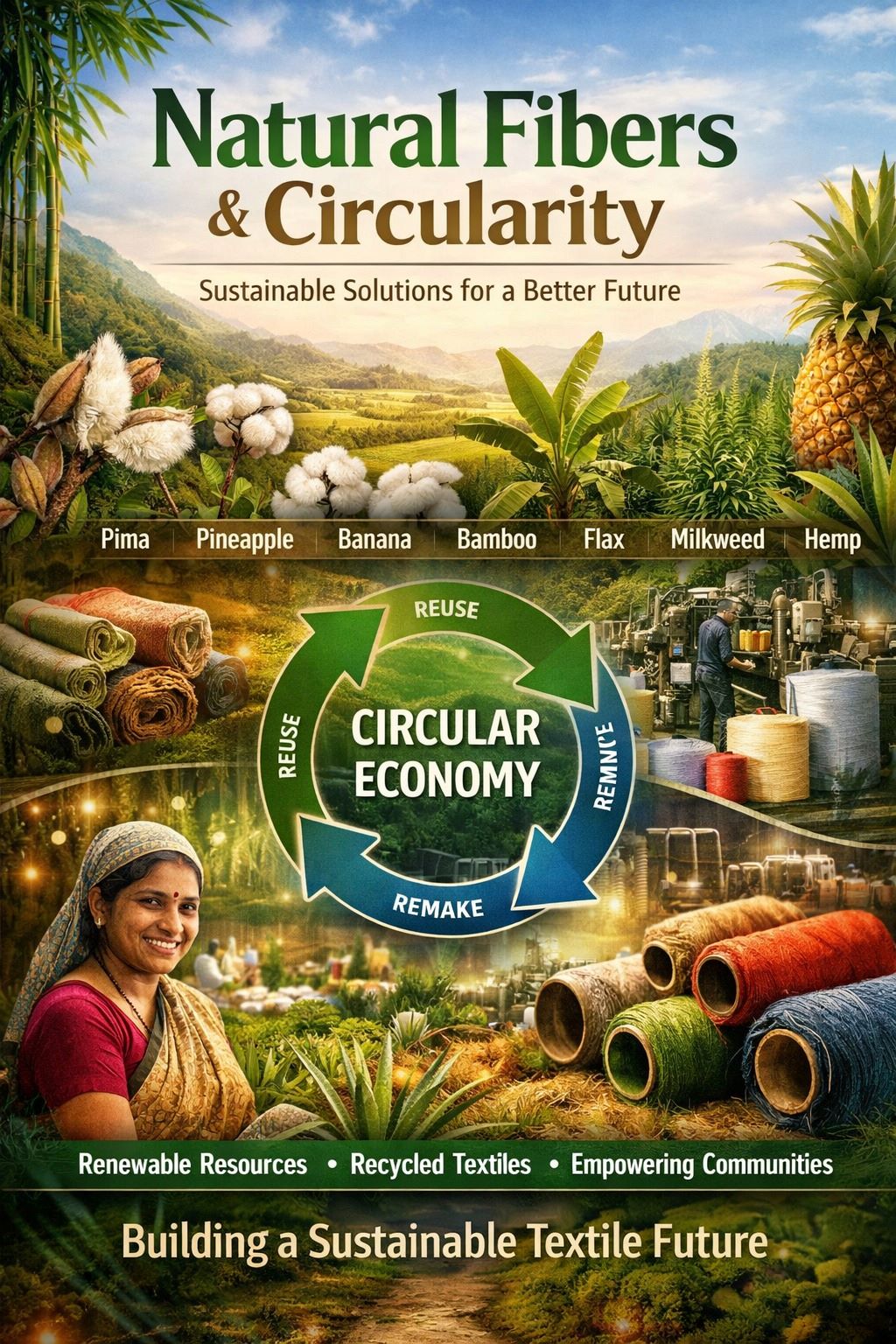
It is of important value because we believe nature offers solutions that central systems cannot replicate. In this program, we have begun interventions for alternate natural bodies, picking up ten beautiful fibers from across the world: Pima, Pineapple, Banana, Bamboo, Bramble, Flax, Milkweed, Hemp, and more.
These fibers are not only sustainable but also high‑performance — Milkweed, for instance, has exceptional thermal flow, warmer than synthetic fillings, and at times even better than down. Hemp and other fibers promise significant resources, strengthening our material base.
Yet, while embracing natural fibers, we continue to work on synthetics — the goal is to close the loop. Post‑consumer technologies, recycling innovations, and startups are already tackling challenges like 70,000 tons of recycled color‑dyed fabrics. Together with industry partners, we are shaping solutions that balance natural and recycled fibers in the overall mix.
India’s textile sector is uniquely positioned: exporting from 522 districts to over 120 destinations, with a complete value chain rooted in our own farms. Recent budget announcements have placed textiles at the heart of national innovation, with programs for fiber productivity, modernization, and livelihood creation.
Most importantly, textiles remain a social equalizer. With one of the highest women workforce participation rates, initiatives like training 600,000 women last year — 70% of whom entered industry jobs — highlight the transformative power of this sector.
From fiber innovation to circularity, livelihoods to sustainability, the journey is clear: India is building a resilient textile ecosystem that is both global in reach and deeply rooted in local empowerment.
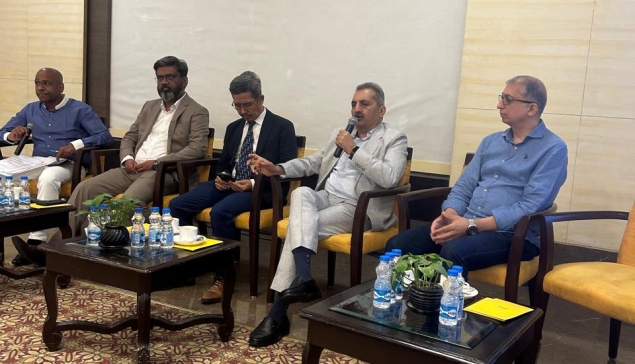
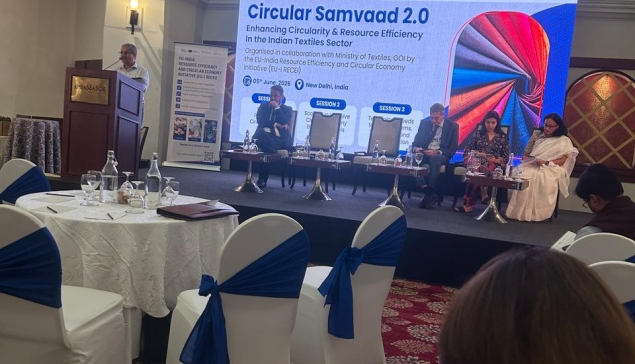
Credits: The content have been derived from the panel discussion held in Circularity Samvaad2.0 on 'World Environmental Day'.


 CONTACT US
