













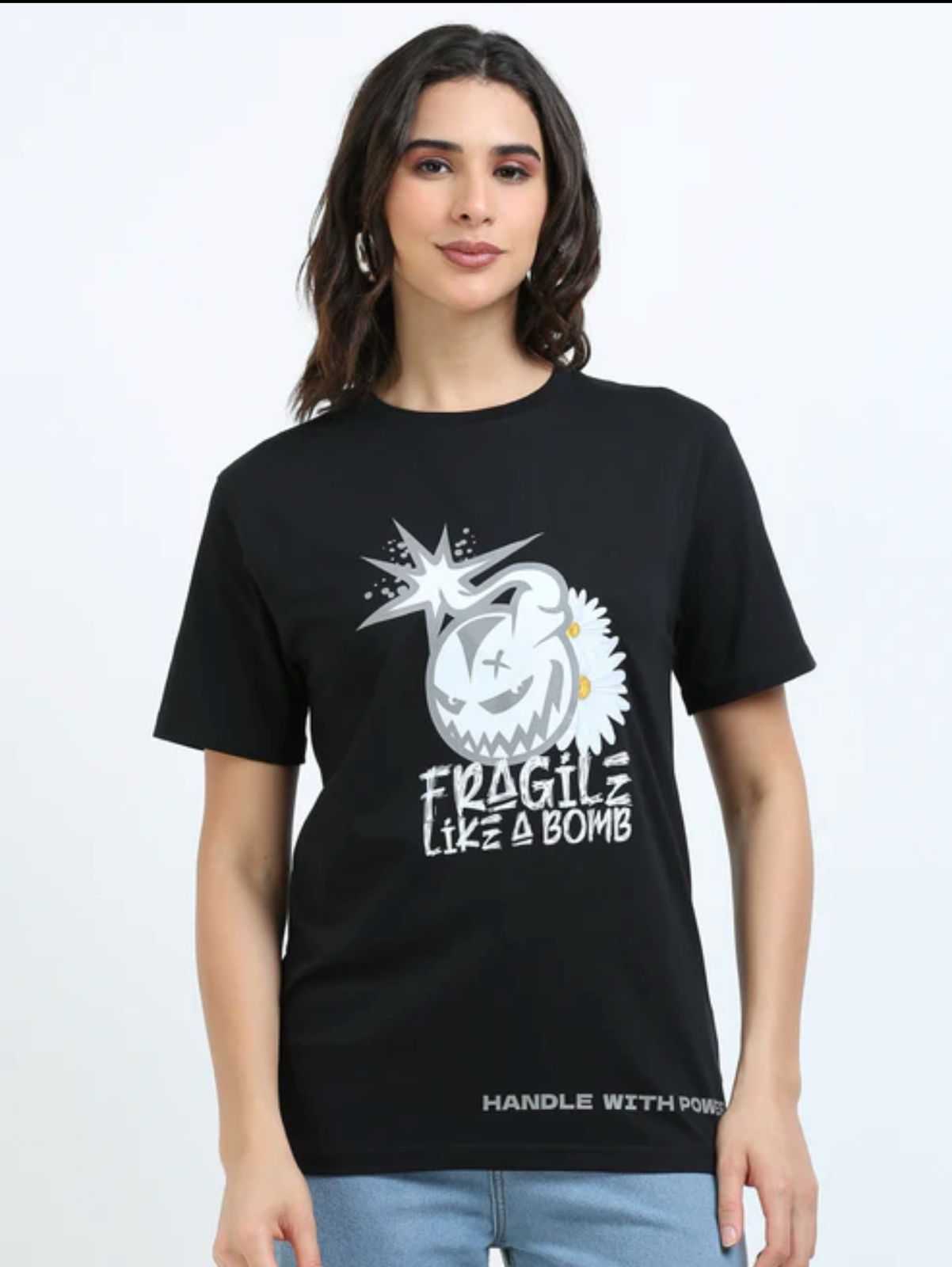
The modern age is dominated by conversations and trends which shift in a heartbeat. As a result, fast fashion continues to conquer retail shelves, as brands introduce endless collections in tune with seasons at the same time making sure the collections are influencer- approved, relevant as per social media buzz and western influences.
While sustainability has been a growing trend across the fashion industry, its adoption by massive retailers remains uncertain owing to the hyper-dynamic nature of the industry. At the same time, there remains a massive opportunity for sustainability to pave its way into the corporate fashion and uniform space. Even though there has been some progress in this direction, the scale of accelerating uptake can help present a significant breakthrough in solidifying this shift as a mainstream reality and in spotlighting India at the forefront of the sustainable apparel paradigm. Some crucial aspects which will probably fuel the adoption in the corporate sector are:
Mandated volume and sale: Corporate uniforms roll out to thousands of employees simultaneously. This not only guarantees an immediate bulk order but the large scale of production also allows textile mills to adopt green manufacturing practices with greater ease. On the other hand, challenges in retail such as overproduction and deadstock due to changing preferences and high prices due to low volume production are completely non-existent in the corporate context.
Predictable Lifecycle: Once a company hands out uniforms to the entire workforce, the lifecycle of the apparel remains relatively controllable by the organization. In most cases, corporations demand employees to trade-in their old uniforms for new modernised ones. The old, worn-out uniforms collected can be recycled to produce similar garments, thereby further extending the lifecycle of the apparel. The lack of control of retail stores over customer decisions and the sense of detachment makes adoption difficult.
Compliance and ESG mandates: Stringent ESG (Environmental, Social and Governance) regulations mandate companies to present a transparent idea of supply chains and disclose their contributions and efforts towards preserving the environment and the society. As a result, companies engage in green procurement, choosing sustainable products and fulfilling responsibilities.
Immunity to trend cycles: Corporate fashion and uniforms follow timeless and minimalist designs and are built for longevity and utility not fast moving seasonal fashion trends. Corporations are opening to paying a premium for durable and eco- friendly performance fabrics, rather than constant redesigns which is a significant hurdle in the retail sector. Further, the repeated use of these apparels by employees naturally reduces the per-wear environmental footprint.
Multi-year contracts: When large corporations purchase apparel, they usually sign supply contracts for multiple years at once with that particular manufacturer or brand. This provides long-term financial security to manufacturers, helping them invest in tech and modern machinery to continue delivering the same quality of sustainable apparel. On the contrary, retail brands operate on unpredictable or seasonal purchase orders, which carry a high risk of cancellation due to shifts in demand forecast.
Standardized fabrics: Corporate orders usually entail uniforms made of a few standardized blends such as 100% organic cotton, recycled polyester blend, etc. Because thousands of garments are using the same fabric composition, they can be recycled together without sorting delays. Since apparel in the retail segment features diverse fabric blends, zippers, buttons, etc. the cost of recycling the apparel will be significantly high and complex. Ultimately, consumer retail remains trapped in changing seasonal cycles and price-sensitive shoppers who rarely prioritize circular designs. Corporate fashion breaks the mold by treating garments as managed assets rather than disposable goods with fixed and high volume demand coupled with a crucial responsibility to contribute to the society. This transforms sustainability from an expensive marketing choice to an operational standard turning workplaces into a stepping stone for a green revolution.
CREDITS: ~Attributed to Dinesh Agrawal, CEO & Co-founder of Caslay ~. The content has not been edited and reviewed by us.


 CONTACT US
