








From Problem Statement to Market in 48 Hours: TechnoSport’s Sportech Advantage
PHDCCI’s National Conference on Technical Textiles spotlighted how India can build a complete ecosystem for its fast-growing Sportech and activewear industry, with TechnoSport showcasing a rapid innovation model that connects advanced textile technology, consumer-centric R&D, and agile market deployment.
Context and coverage
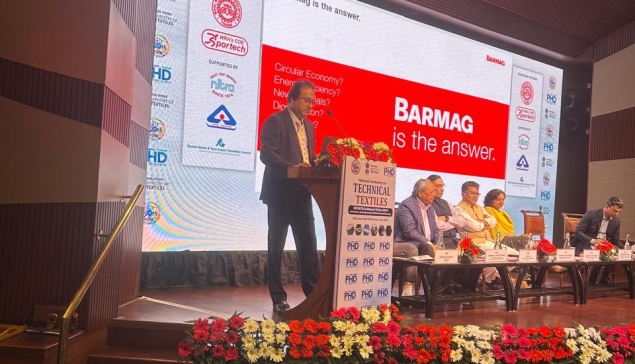
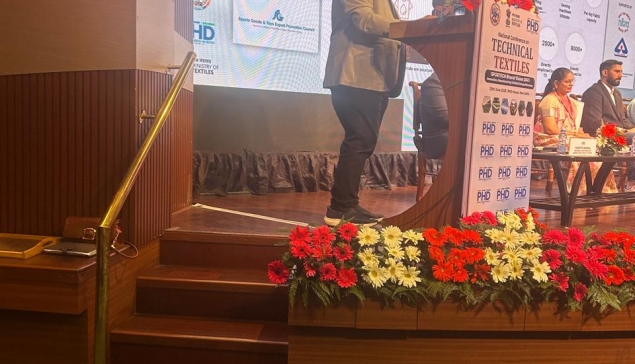
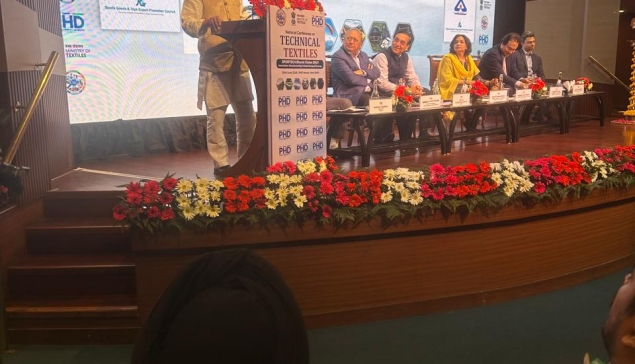
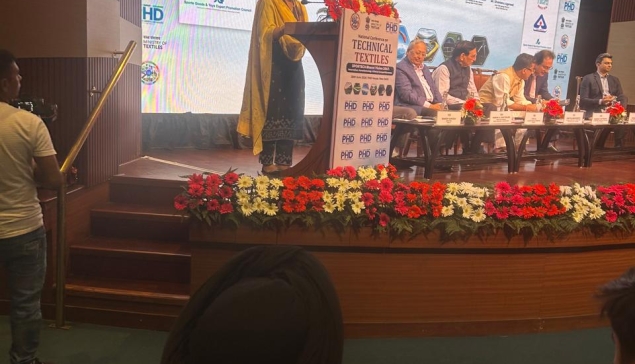
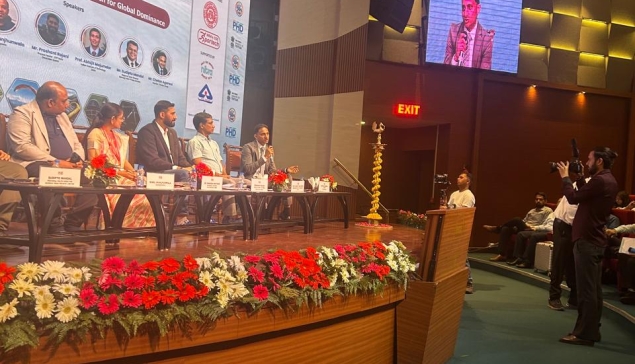
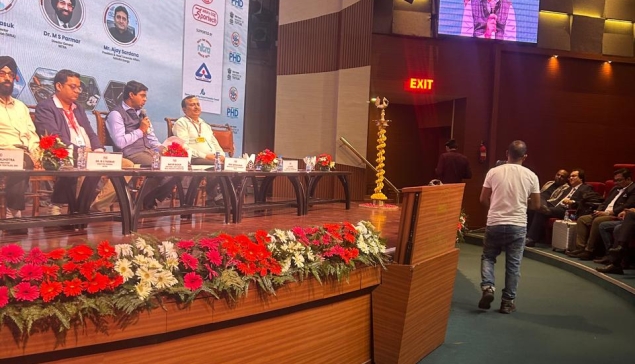
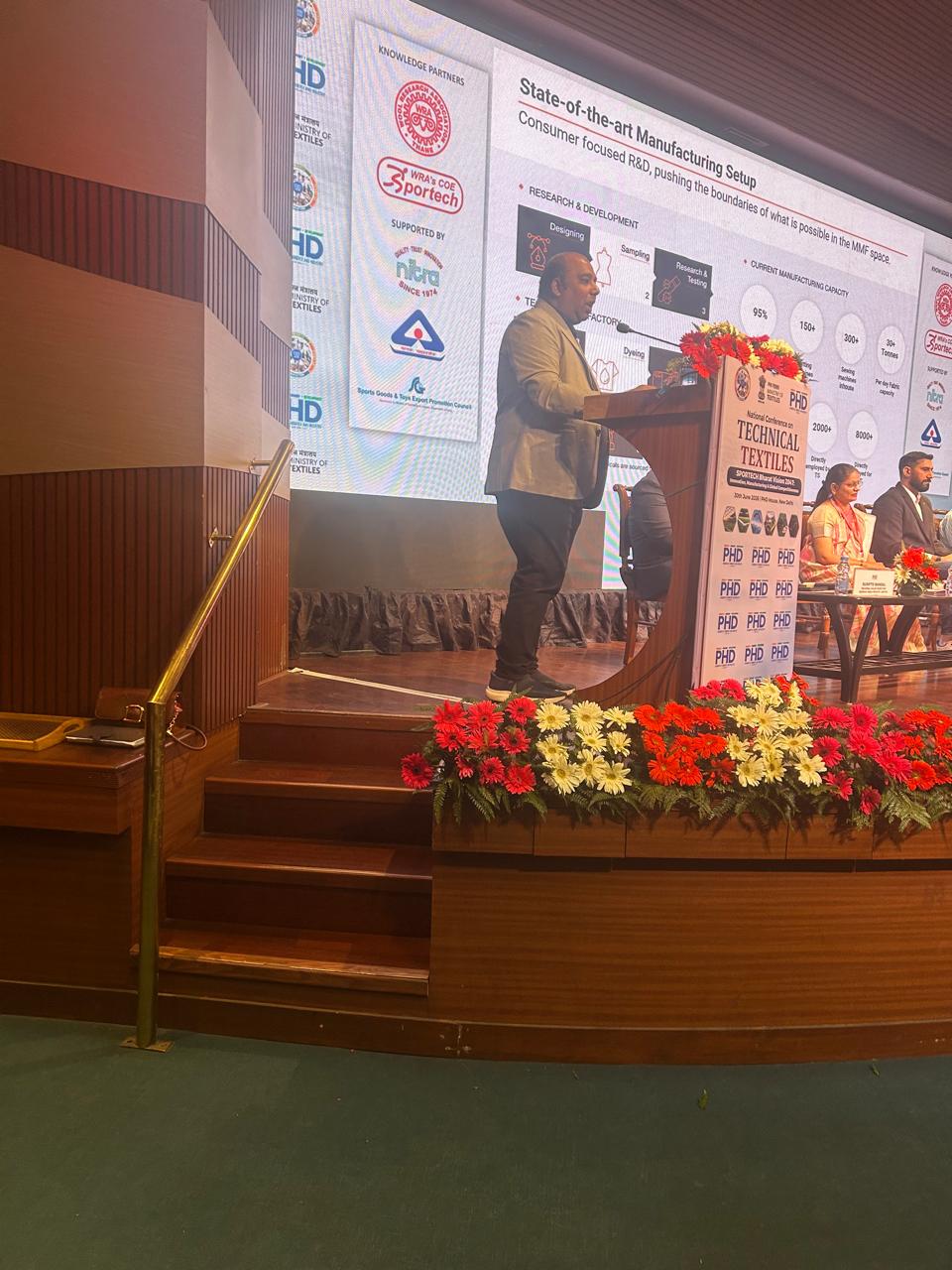
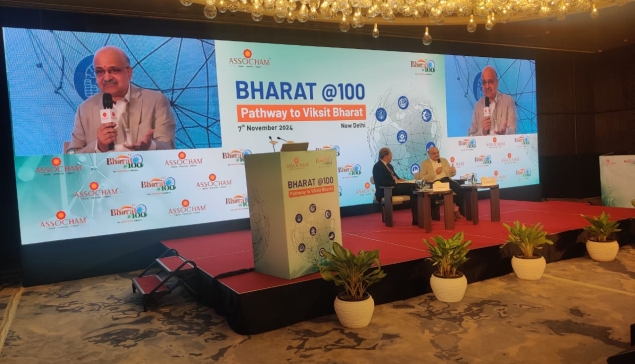
As covered by Salil Chawla, Director, DFU Publications, in his capacity as a delegate at the “National Conference on Technical Textiles” organised by PHD Chamber of Commerce and Industry (PHDCCI), one of the key panel discussions focused on “Building a Complete Ecosystem for India’s Sportech Industry.” In this context, Sunil Jhunjhunwala, Co‑founder & Co‑worker at TechnoSport, shared how the brand is leveraging technical textiles to solve everyday performance-wear challenges while scaling for global markets.
Solving the “cargo pant problem”
Jhunjhunwala framed his intervention around a simple but powerful consumer problem: traditional cargo pants are heavy, bulky, difficult to maintain, and occupy excessive luggage space for travellers. His central question was how textile technology can be used to redesign such garments to be lighter, easier to care for, and more travel-friendly, without compromising functionality.
Integrated innovation infrastructure
To answer this, he described TechnoSport’s integrated backend, which maintains a “raw material bank” of 300–400 materials sourced from across the world, combined with complete in-house fabric-forming capability—covering weaving, warp knitting, circular knitting and multiple variants thereof under a single roof. Processing capabilities such as dyeing, finishing, and related value-add processes are also consolidated within the same ecosystem, enabling precise control from fibre to finished fabric.
From problem statement to market in weeks
Thanks to this integrated setup, TechnoSport is able to move from a defined problem statement to a working prototype in less than 48 hours, dramatically compressing conventional development cycles. Once a prototype is validated, the company can test-market 10,000–15,000 garments within about a month, and, based on consumer feedback and iterative refinement, scale production to hundreds of thousands of pieces per month within six months to a year.
A growing global sportech opportunity
Jhunjhunwala noted that the global market for sportswear, activewear and athleisure apparel (excluding footwear and sports equipment) is currently estimated at around 478 billion dollars and is projected to grow to approximately 920 billion dollars by 2033. Asia-Pacific is already the largest regional market, with the category expected to grow to about 2.2 times its current size over the next 7–8 years, driven significantly by rising female participation in sports and fitness.
India’s activewear landscape
On the Indian side, he differentiated between broader sports-related numbers and pure apparel, estimating the domestic activewear and athleisure apparel market at around 24,000 crore rupees, translating to roughly 2.7–2.8 billion dollars today. His team projects this to rise to about 4.3 billion dollars over the medium term, though he suggested that actual growth could exceed these estimates given evolving consumer behaviour.
From sportswear to everyday “gym-to-street”
A key insight he shared is that activewear has moved beyond purely sports and performance contexts into daily wear, commuting, work-from-home and travel, giving rise to what TechnoSport calls the “gym-to-street” standard. Consumers increasingly favour versatile garments that can seamlessly transition from gym sessions to office, commute and leisure, making hybrid functional apparel the fastest-growing trend in the segment.
Emerging, strengthening and declining trends
Jhunjhunwala highlighted that startups and brands entering the category should pay close attention to which trends are emerging and strengthening versus those that are declining, rather than chasing undifferentiated basics. He emphasised that winning in this category requires aligning design, materials and technology choices with these trend trajectories, especially in a market where function-rich everyday clothing is becoming the norm.
Function-first performance expectations
Modern consumers, he said, now demand multiple functional attributes in their daily wear—for example, odour control, moisture management, UV protection for two-wheeler riders, and overall comfort in varied climates. Crucially, he stressed that these features must be delivered not just in marketing claims but in actual product performance, as failure to meet promised benefits quickly erodes brand trust and repeat purchase.
Learning from global playbooks
In discussing how to build global winners from India, Jhunjhunwala referenced the differentiated strategies of global brands, including Decathlon’s role in democratising sportswear through value-led performance. He pointed out that other international players have variously built strengths around pure sports performance, digital consumer engagement, or premium athleisure, implying that Indian brands must consciously choose and refine their own strategic playbooks.
India’s value-based performance opportunity
According to him, India’s white space lies in offering “value-based performance”—products that deliver noticeable functional benefits at accessible price points for both domestic and global consumers. By leveraging indigenous manufacturing strengths and technical textiles innovation, he argued that India can convert its structural growth in sports and fitness participation into scalable global business in sportech and activewear.
TechnoSport’s proprietary technologies
Jhunjhunwala also showcased TechnoSport’s proprietary technologies, including TechnoGuard, an antimicrobial finish designed to reduce sweat odour and improve hygiene in performance garments. Initially sourced from a Canadian supplier, this technology was indigenised by TechnoSport’s R&D team during the COVID-19 period, resulting in a more effective solution at roughly one-quarter of the original cost and enabling its deployment across all TechnoSport garments.
R&D over marketing as a philosophy
He underscored that TechnoSport, as a brand, consciously spends more on research and development than on marketing, signalling a technology- and problem-solving-led approach rather than a purely communication-led one. This R&D-first philosophy, he suggested, is central to building durable differentiation and credibility in a market where consumers test and verify performance claims in real-life use.

 CONTACT US
