





CottonEgypt

Like No Other Place On Earth.

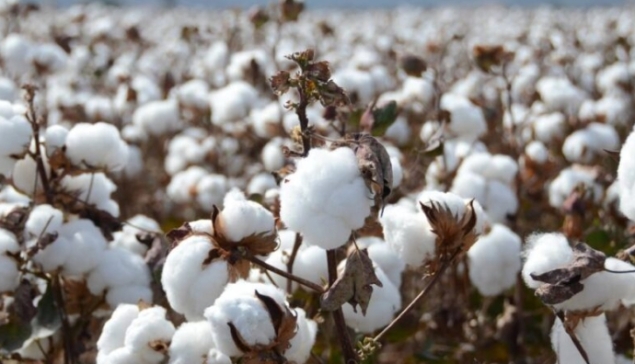
From 1821 when the finest cotton seeds were brought in by Mohamed Ali and planted in Egypt, until today, Egyptian cotton is still globally renowned and is steadily aligning with sustainability

More about: ,
Doodlage

Doodlage is set to create a narrative in the fashion world of being a conscious brand with 'Purpose & Craft.' Given that fast fashion resonates with the current generation amid rising consumerism, it is demonstrable with purpose championing a slower fashion with a more measured and mindful approach.

Its studio transforms surplus fabric and post-consumer garments into limited-edition designs, working shoulder-to-shoulder with skilled artisans.

In some sense, style here is tied to substance/value: every piece is repairable, alterable, and customizable, prompting/exhorting wearers to build longer relationships with their clothes than transactional wear-and-throw syndrome.

SourceFashion

Source Fashion, the UK’s leading responsible sourcing show, is proud to announce a 12-month strategic collaboration with global environmental action NGO,  WRAP (Waste and Resources Action Programme), with activations that will extend far beyond the show floor and reinforce Source Fashion’s long-term commitment to sustainability, circularity, and responsible sourcing within the global fashion industry.

This year-long alliance will see WRAP embedded across Source Fashion’s live and digital platforms, providing expert insight and leadership throughout the next 12 months. The collaboration officially launches at Source Fashion July 2025, 8–10 July, The Grand Hall, Olympia London, where WRAP will play a central role in the event's thought leadership programme.

Ambercycle

Here is how disruptive ideas are shaping the future of the textile sector, driving sustainability front and center.

One such classical example is Ambercycle. LA, California, USA, is revolutionizing sustainable fashion/clothing with its unique out-of-the-box recycling technology, which has a transformative impact on discarded clothing, turning it into high-quality reusable textile fibers (BEST OUT OF WASTE).

By breathing fresh life into post-consumer materials, more like a textile renaissance, their super-innovative process nurtures a circular economy in garment production. This novel regenerative approach minimizes the industry's ecological impact/an eco-friendly act, and this good practice paves the way for more responsible & mindful production practices.

SustainableTextiles

Sustainability Webinar: Discover the Future of Textiles

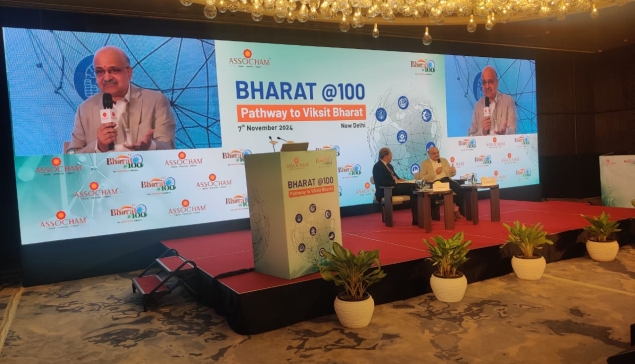
NISTI is pleased to extend a distinguished invitation to a thought-provoking and timely webinar that explores the future of textiles—where sustainability converges with innovation, policy, and international standards.
Unraveling the threads of transformation shaping the global textile and apparel landscape—from eco-conscious sourcing to cutting-edge certification practices.
Sustainability in Textiles & Clothing

GOTS

GOTS is recognised by OECD as a leading standard for due diligence in the textile industry

Global Standard, the non-profit organisation behind the Global Organic Textile Standard (GOTS), announces today that GOTS Version 7.0 has been assessed through the OECD Alignment Assessment process and was found to demonstrate close alignment with the OECD Due Diligence Guidance for Responsible Supply Chains in the Garment and Footwear Sector.

The OECD’s “standards only” assessment evaluated 167 criteria and concluded that GOTS Version 7.0 addresses all six steps of the OECD Due Diligence Guidance. Of these, 68% were found to be fully aligned, 30% partially aligned, and only 2% not aligned.

BoltThreads

SUSTAINABLE FASHION: Nature is the best inspiration

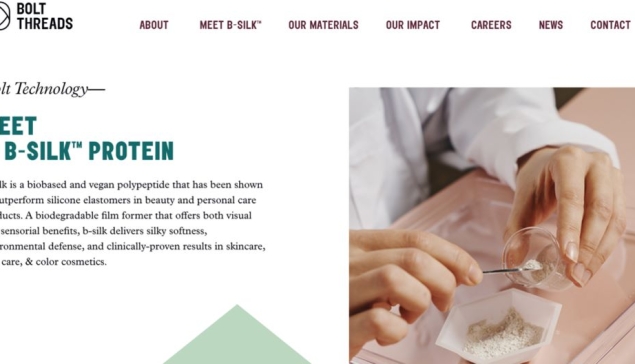
Bolt Threads, a credible company from California (the US), is transforming the world of materials through bio-innovation. Well known for harnessing the power of nature, the company has developed synthetic spider silk—a durable, protein-based fiber inspired by nature’s toughest materials.

Sanguine two-way collaborations with renowned designers of global fame, such as Stella McCartney, have spotlighted the promise of these sustainable textiles.

UPPARELAustralia

UPPAREL Australia: Pioneering Circular Solutions in Textiles

UPPAREL is at the forefront of transforming how Australia tackles textile waste, driving a bold shift toward sustainability as simple as this. Committed and sharply focused on a good practice of creating a fully traceable and transparent recycling process, which are increasingly becoming key parameters of investors and multiple stakeholders across the supply chain, the company stands committed to ensuring that no fabric goes unaccounted for.

UPPAREL’s innovation at scale is in the DNA and is very basic to its approach, which not only diverts garments from landfills but also redefines waste as a valuable resource to the proverbial fame 'BEST OUT OF WASTE"—championing a closed-loop model/circular solutions that measures every environmental impact along the way after all, "What You Can’t Measure, You Can’t Manage."

Texfora

Texfora

Carbon and Sustainability Advisory Services
At Texfora, we guide businesses through the evolving landscape of sustainability and ESG frameworks.

Our experienced consultants deliver tailored environmental solutions that help your organization comply with regulations, lower carbon emissions, and embed responsible practices into core operations.

From Grass to Glory

From Grass to Glory—Where Climate Responsibility Meets Couture Vision

Over the past few months, we invited emerging designers and first-time talent from leading fashion institutes across India to create original silhouettes using textiles from the HimGra Italtex Trend Book 26/27 — a curated range of luxury, climate-conscious fabrics made from award winner HimGra, the wild Himalayan grass fiber that grows without irrigation, fertilizers, or chemicals.

SustainableTextiles

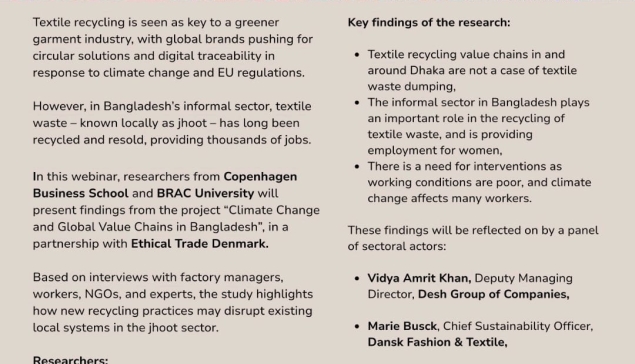
It’s time to share some of the insights emerging from our Danida-funded research project on Global Value Chains and Climate Change. In this phase of our work, we take a closer look at the potential and impacts of textile recycling in South Asia — with a focus on Bangladesh.
To be honest, it's been disconcerting to see how dominant the narrative has become in parts of the European Union that all post-consumer textile waste is simply dumped across the Global South. This view is largely driven by high-profile media reports from Chile, Ghana, and Kenya. But it paints an overly simplistic — and at times misleading — picture.

Follow Us

Subscribe Our Newsletter
Amazing Deals, Updates & Freebies In Your Inbox
Please fill the required field.

People's Poll

War on Trade: India's RMG in Peril

People's Poll -2

How sustainability is driving India's textile industry

Social & newsletter

Search